

Within each of us there lies a devil . . .
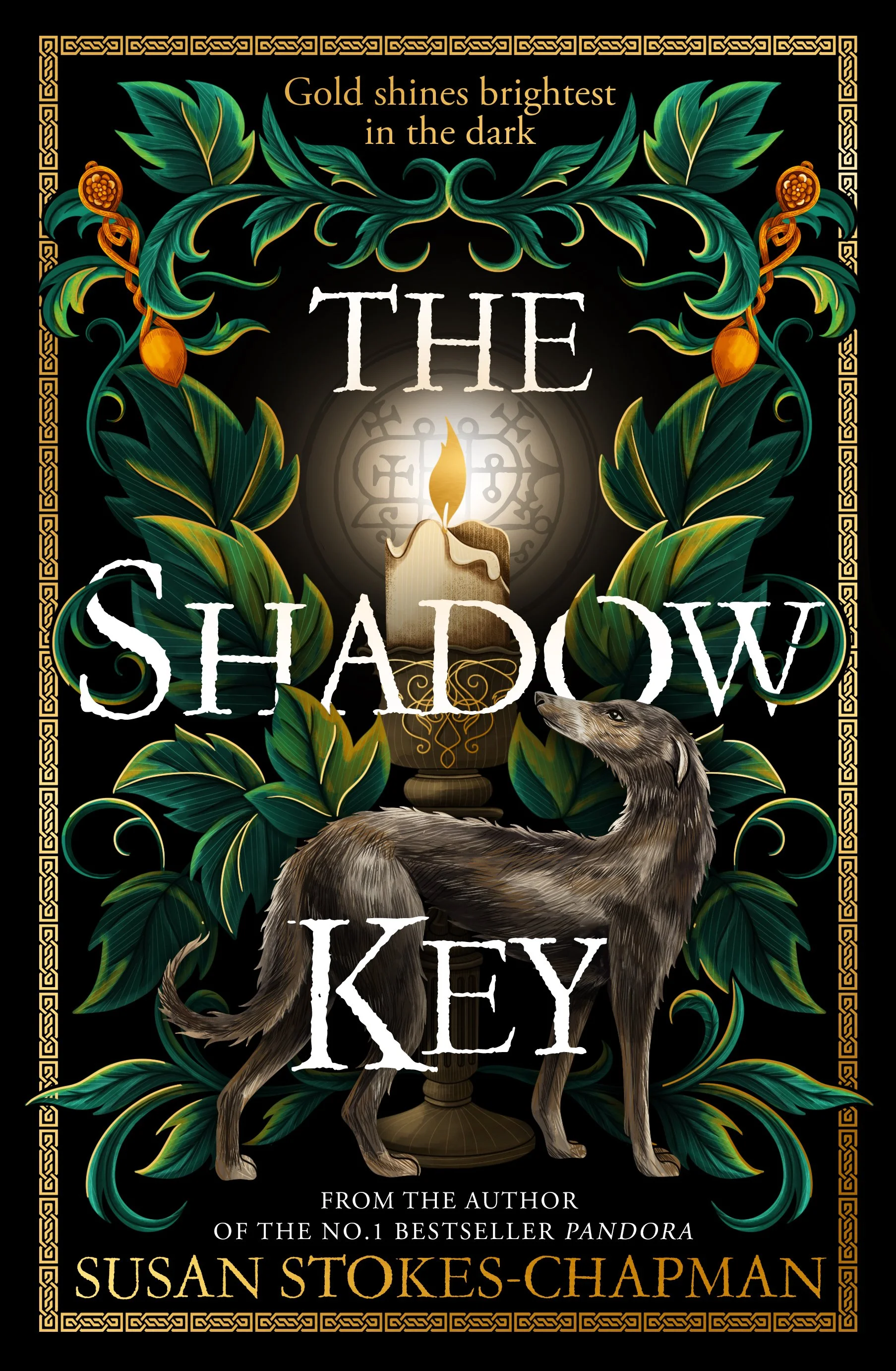
Meirionydd, 1783. Henry Talbot has been dismissed from his post at a prestigious London hospital. The only job he can find is as a physician in the backwaters of Wales, where he can't speak the language, belief in myth and magic is rife, and the villagers treat him with bewildering suspicion. When Henry discovers his predecessor died under mysterious circumstances, he is determined to find answers.
Linette Tresilian, the unconventional mistress of Plas Helyg, lives a lonely life. Her father is long dead, her mother haunted by demons which keep her locked away in her room, and her cousin treats her with cool disdain - she has had no choice but to become fiercely self-reliant. Linette has always suspected something is not quite right in the village, but it is only through Henry's investigations that the truth about those closest to her will come to light . . . a truth that will bind their destinies together in ways neither thought possible.
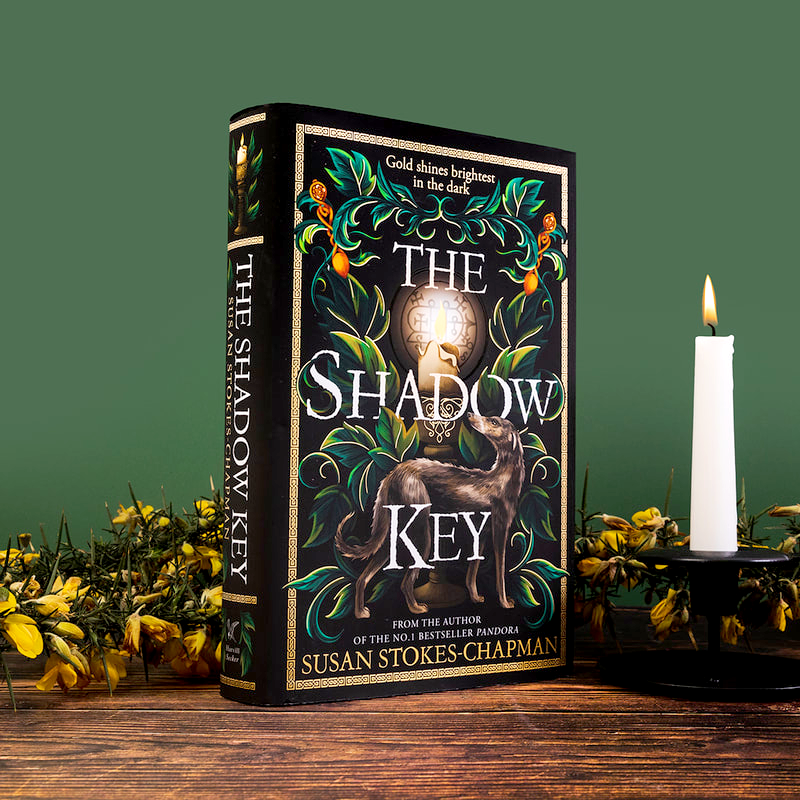
The Shadow Key was a UK Top 20 bestseller, selected as an Apple Books Best Book of 2024, and received a coveted Kirkus starred review in the USA.
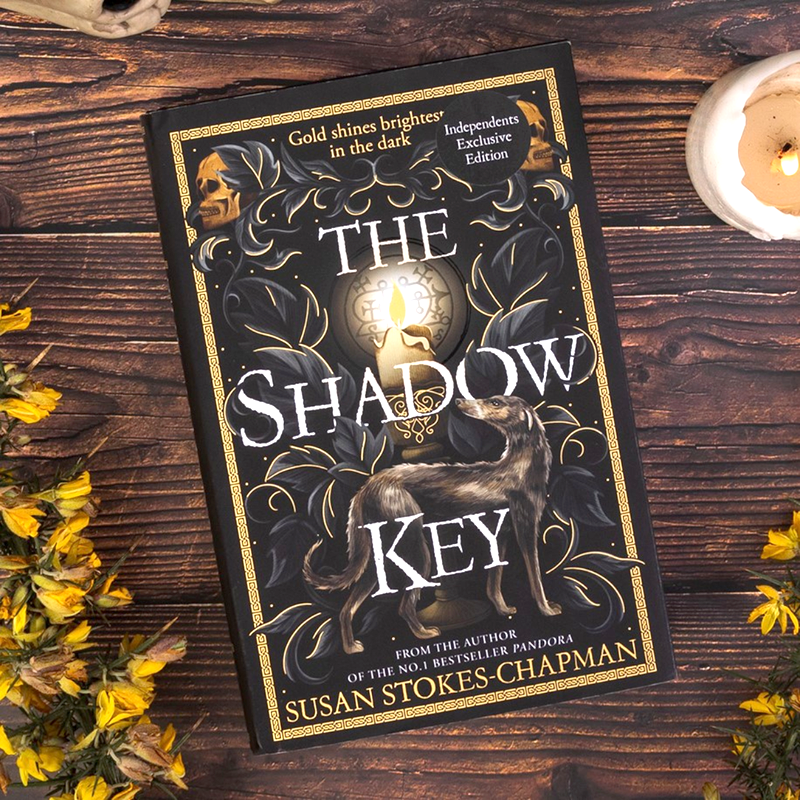
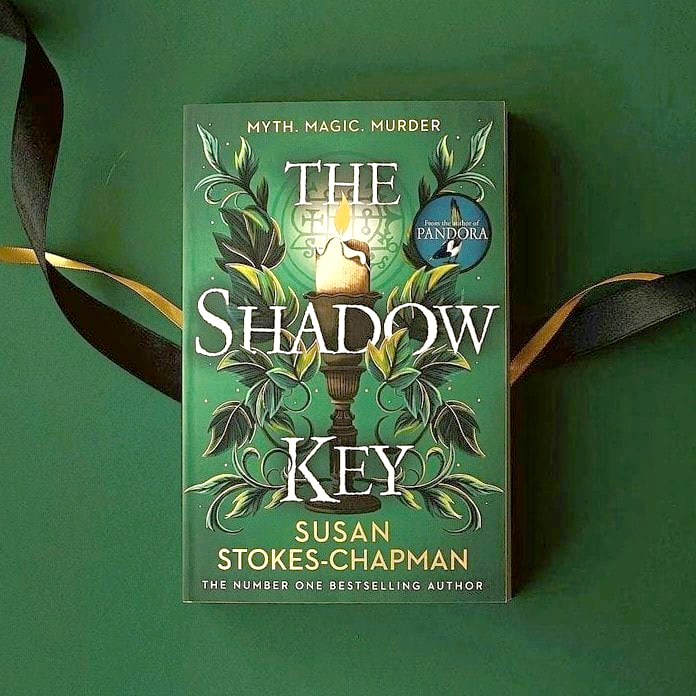
The Inspiration
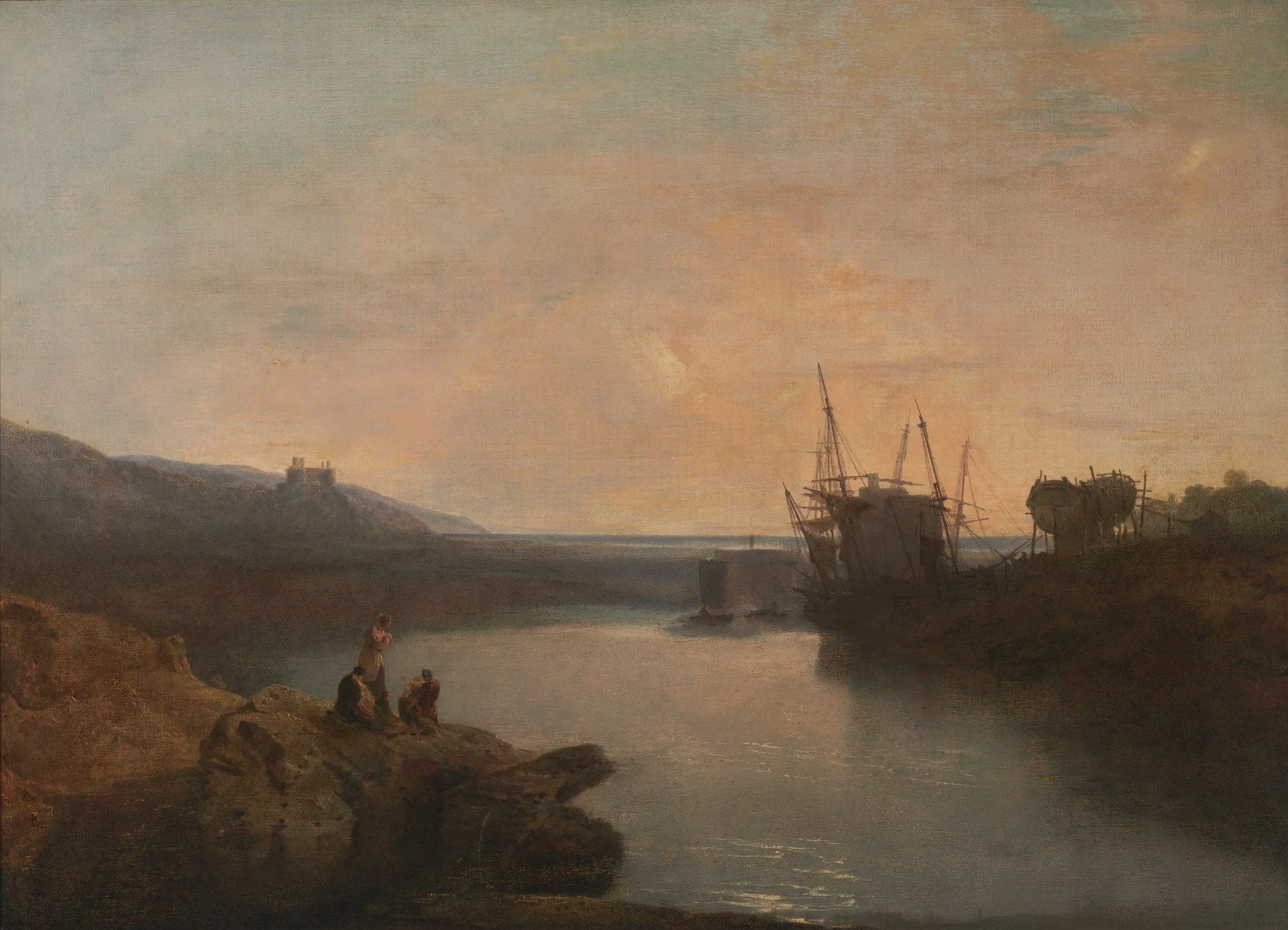
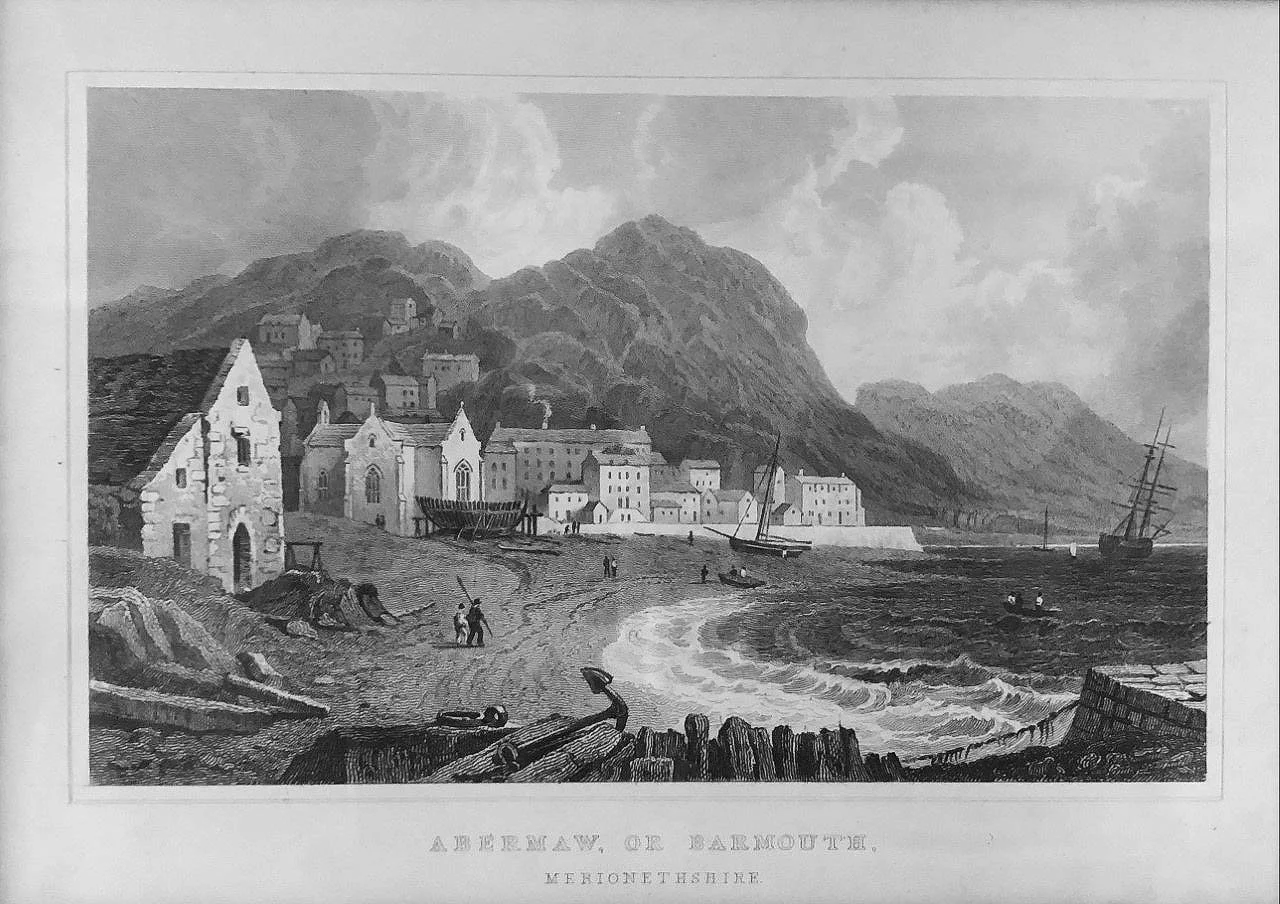
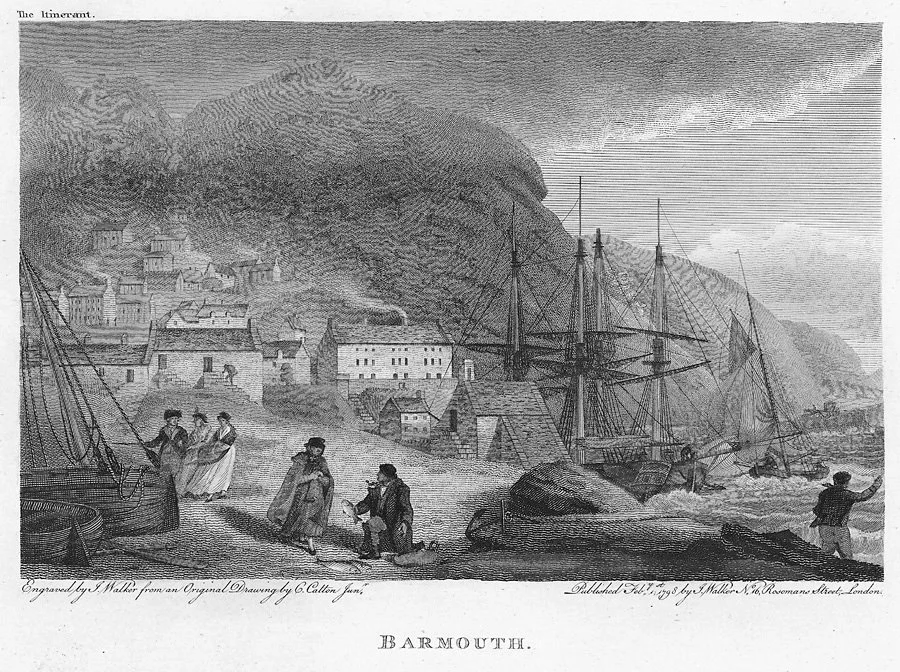
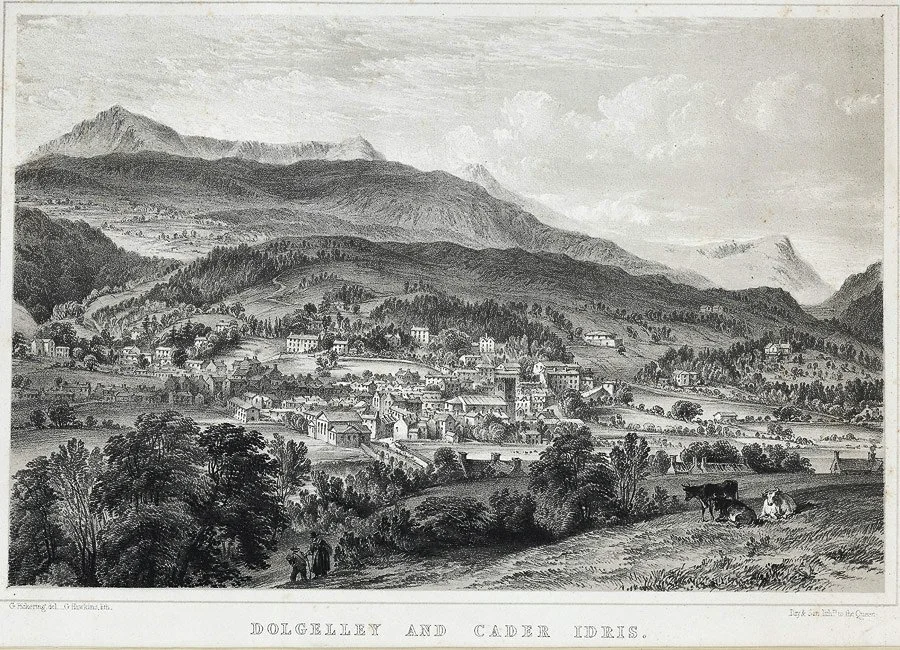
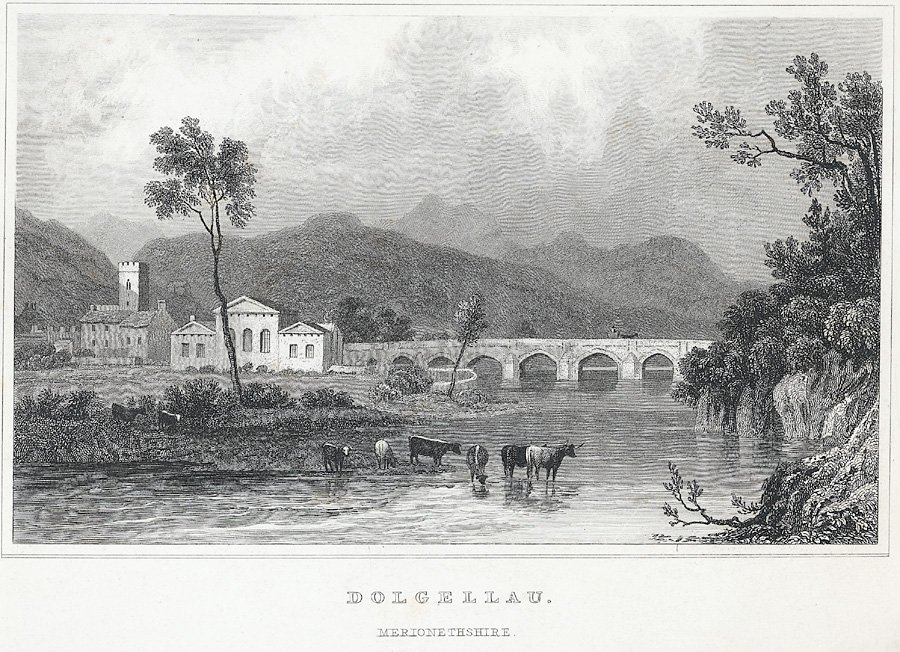
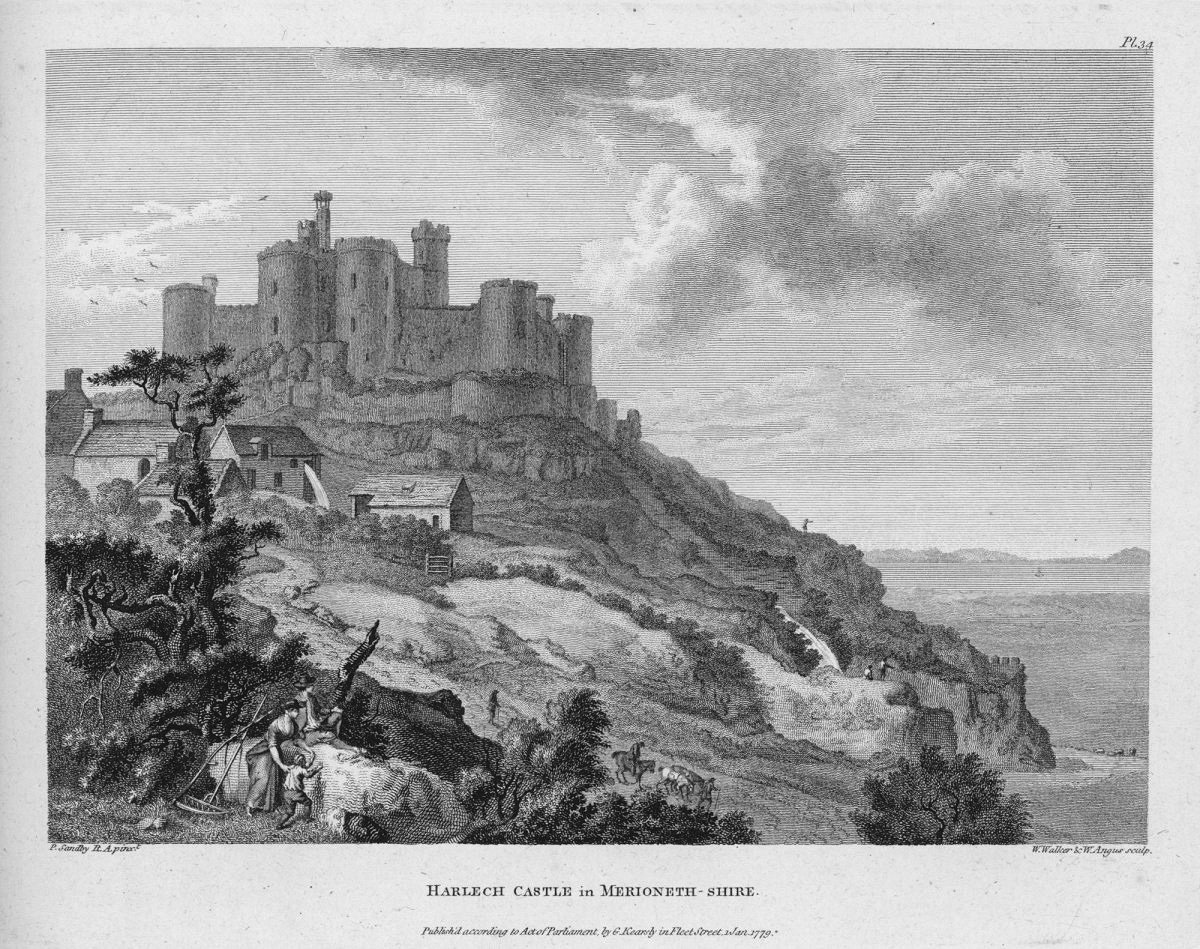
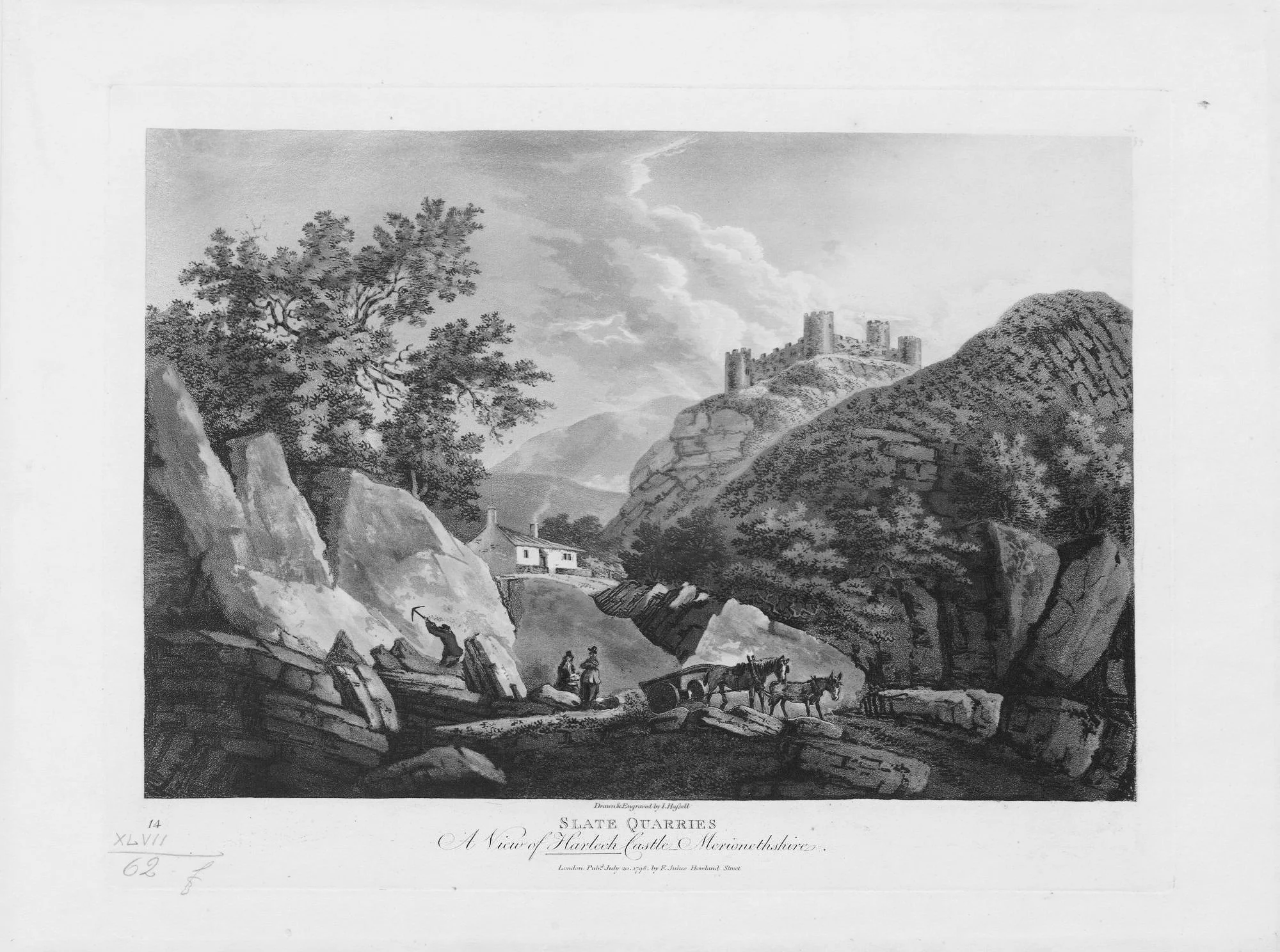
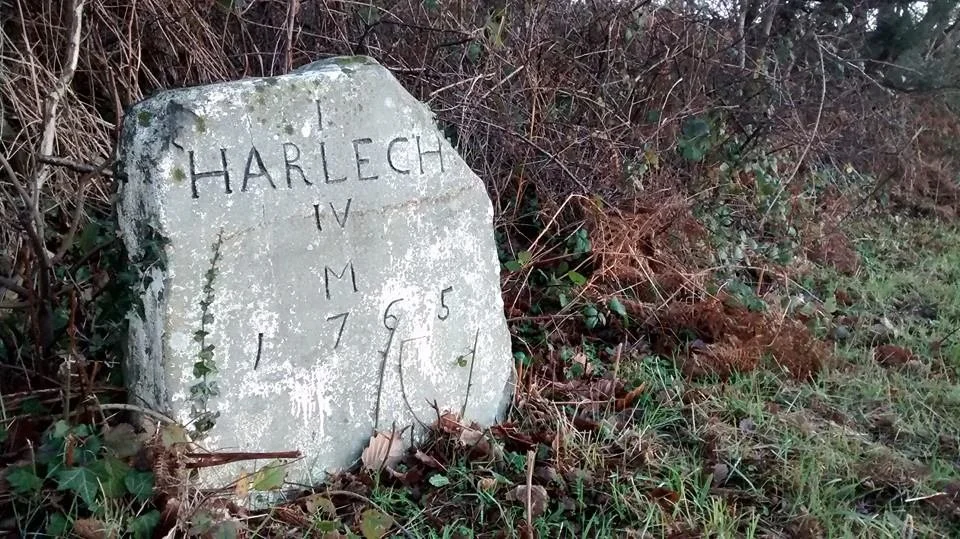
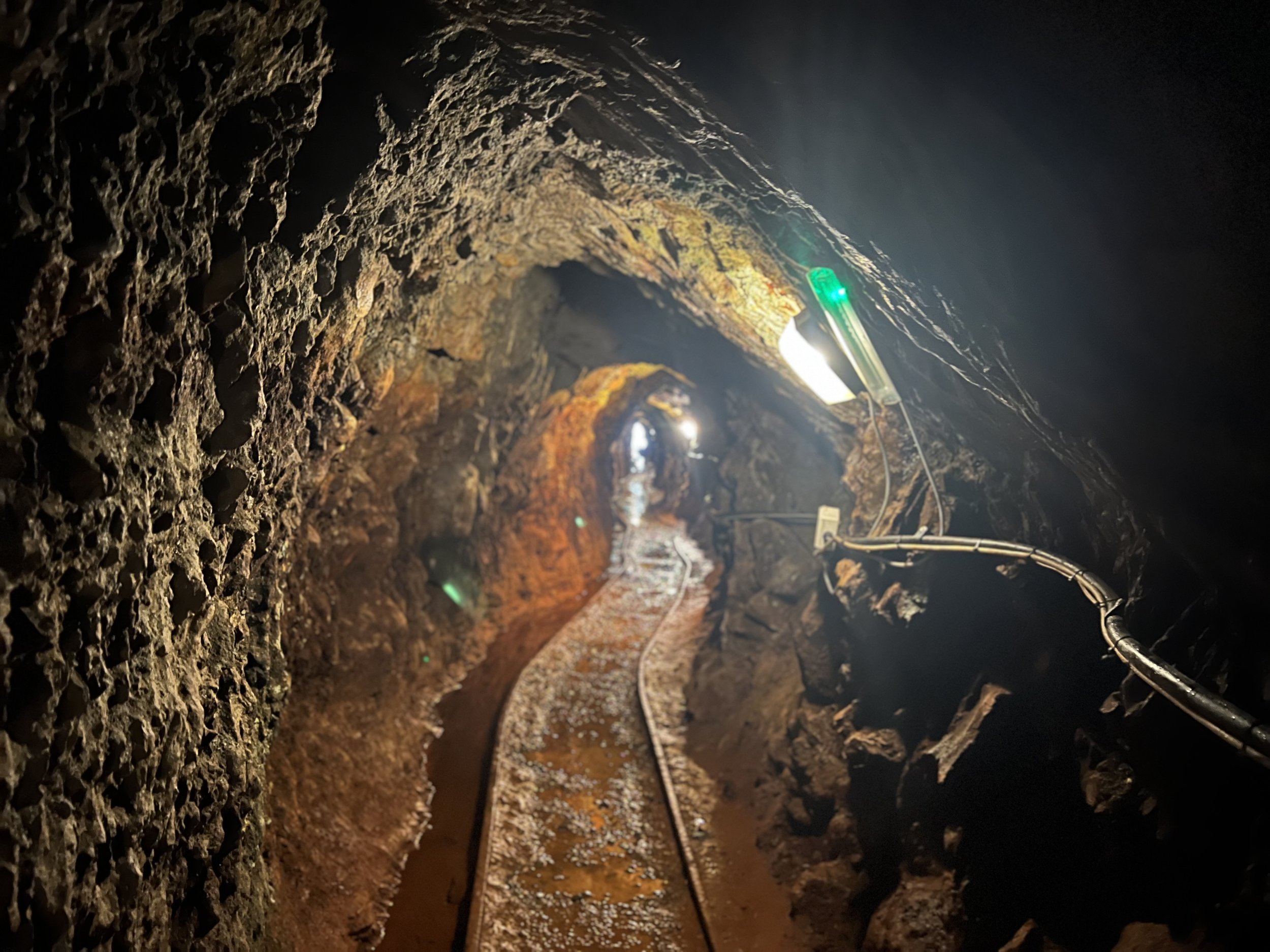
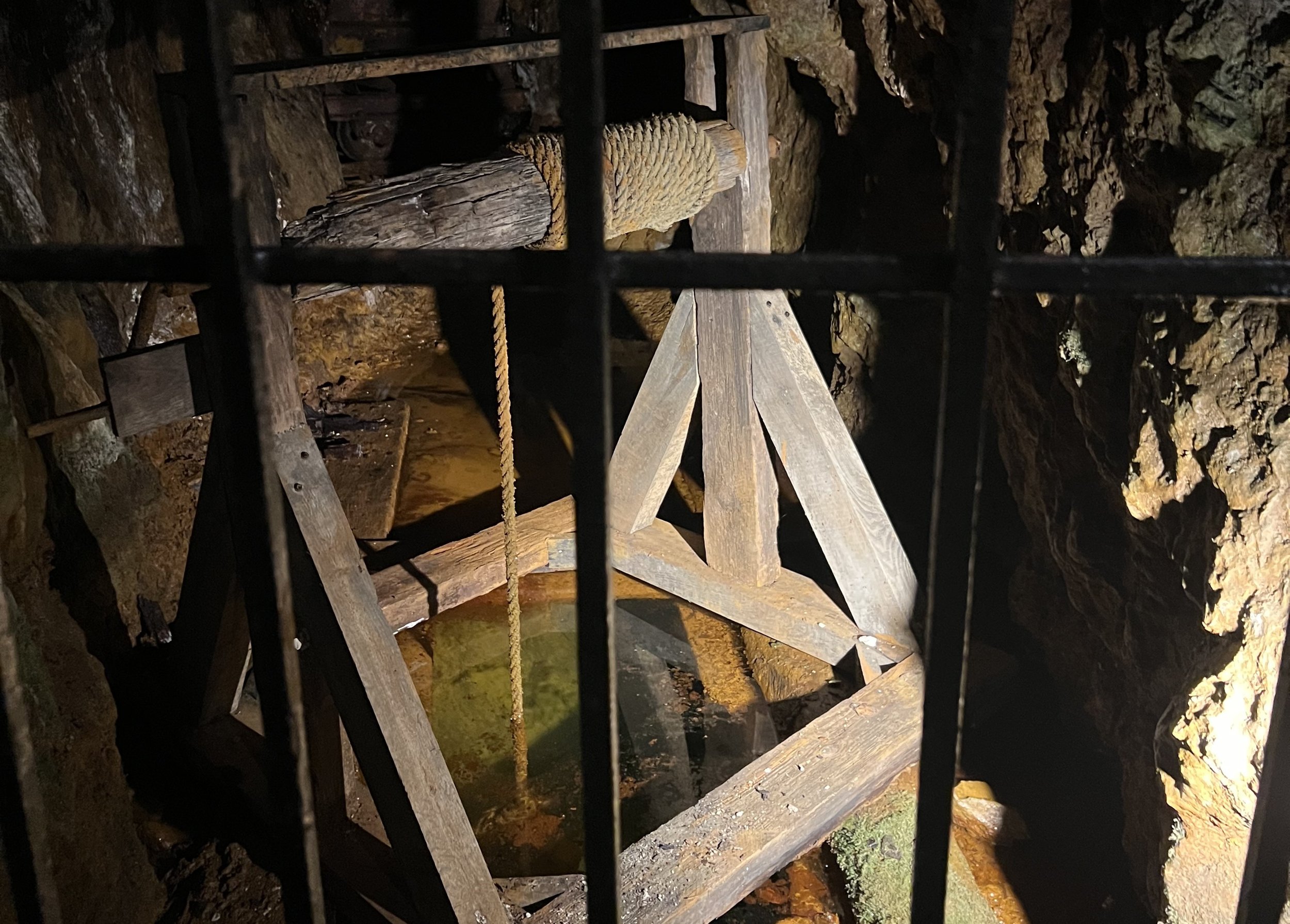
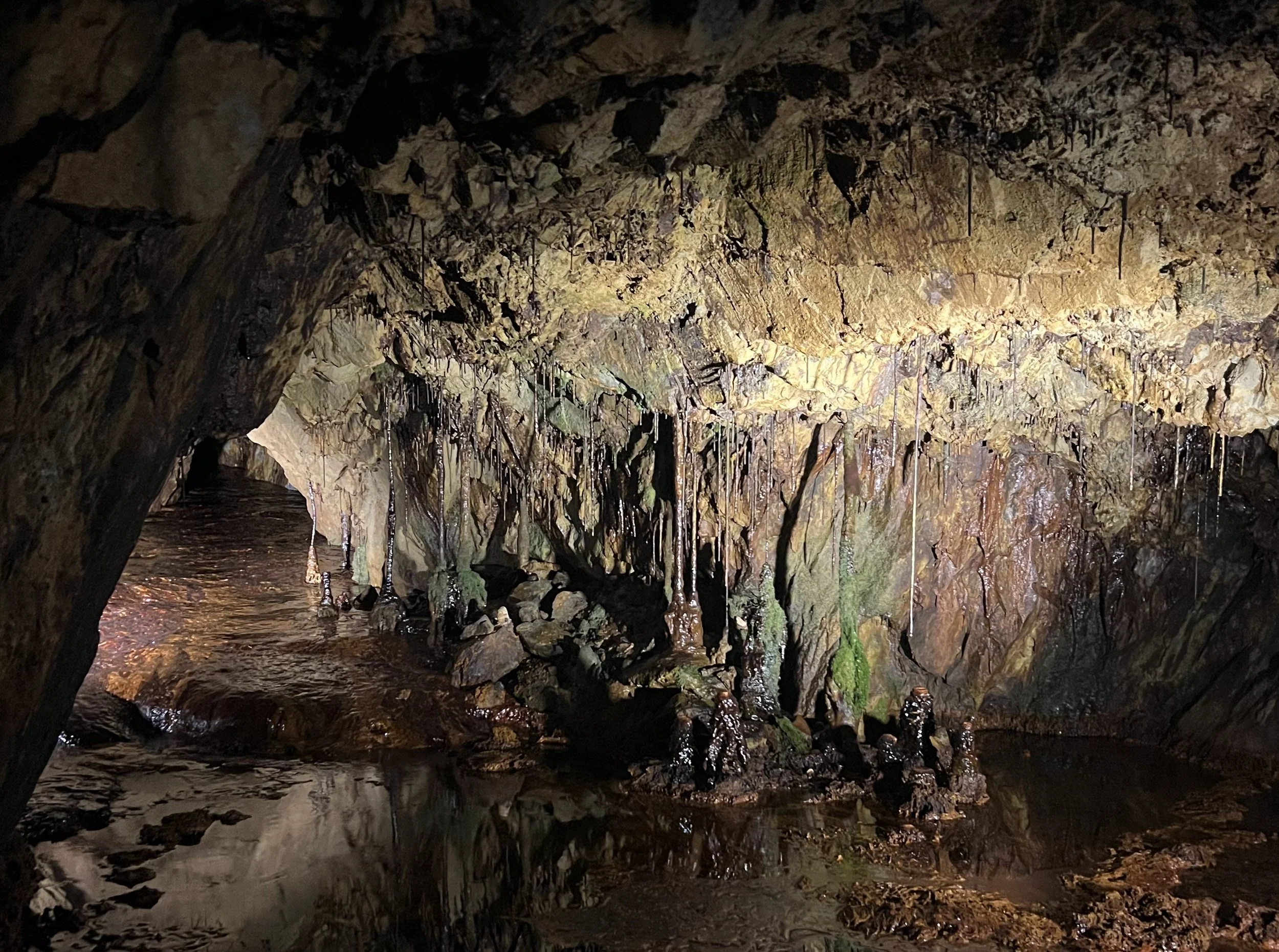
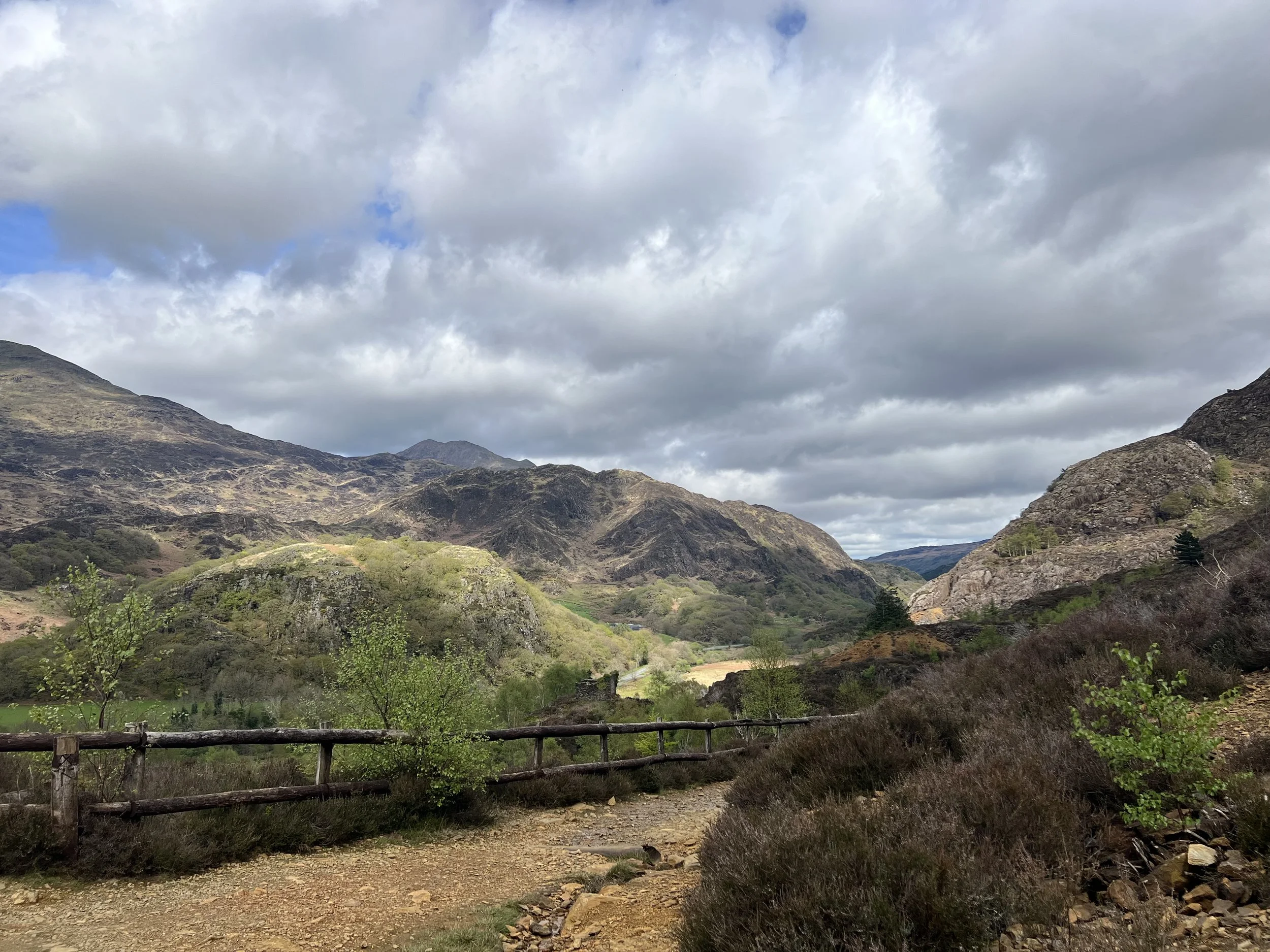
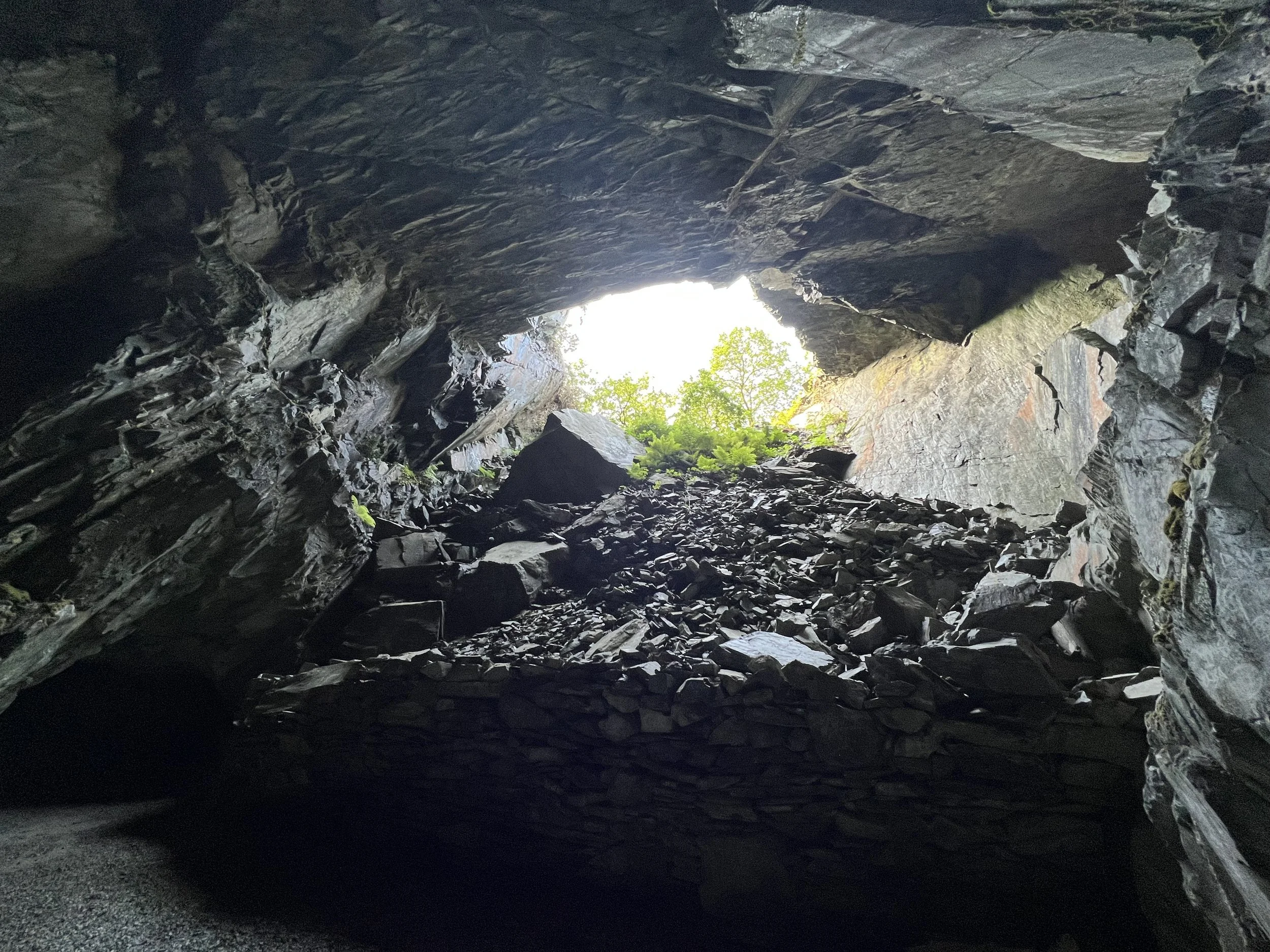
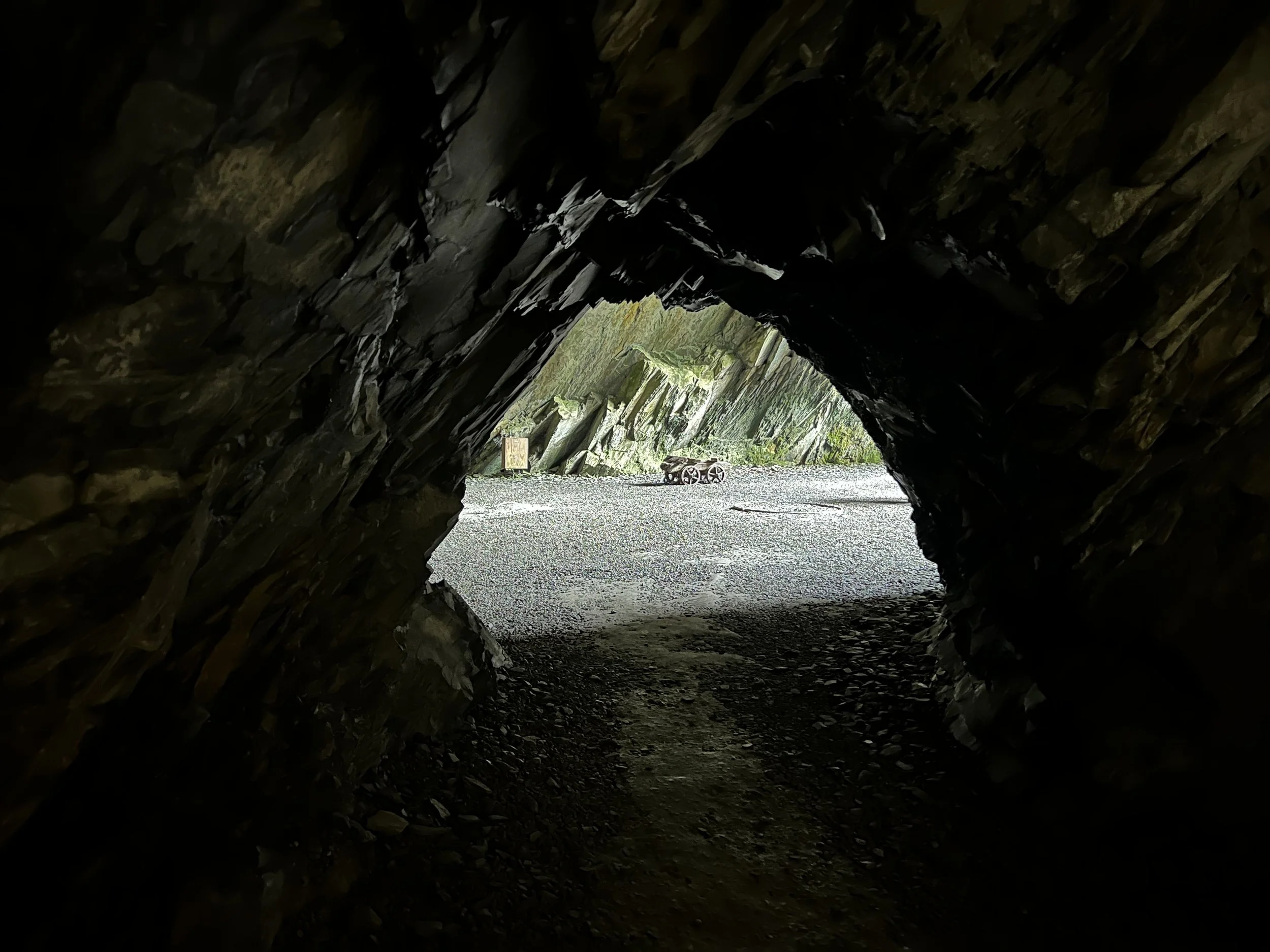
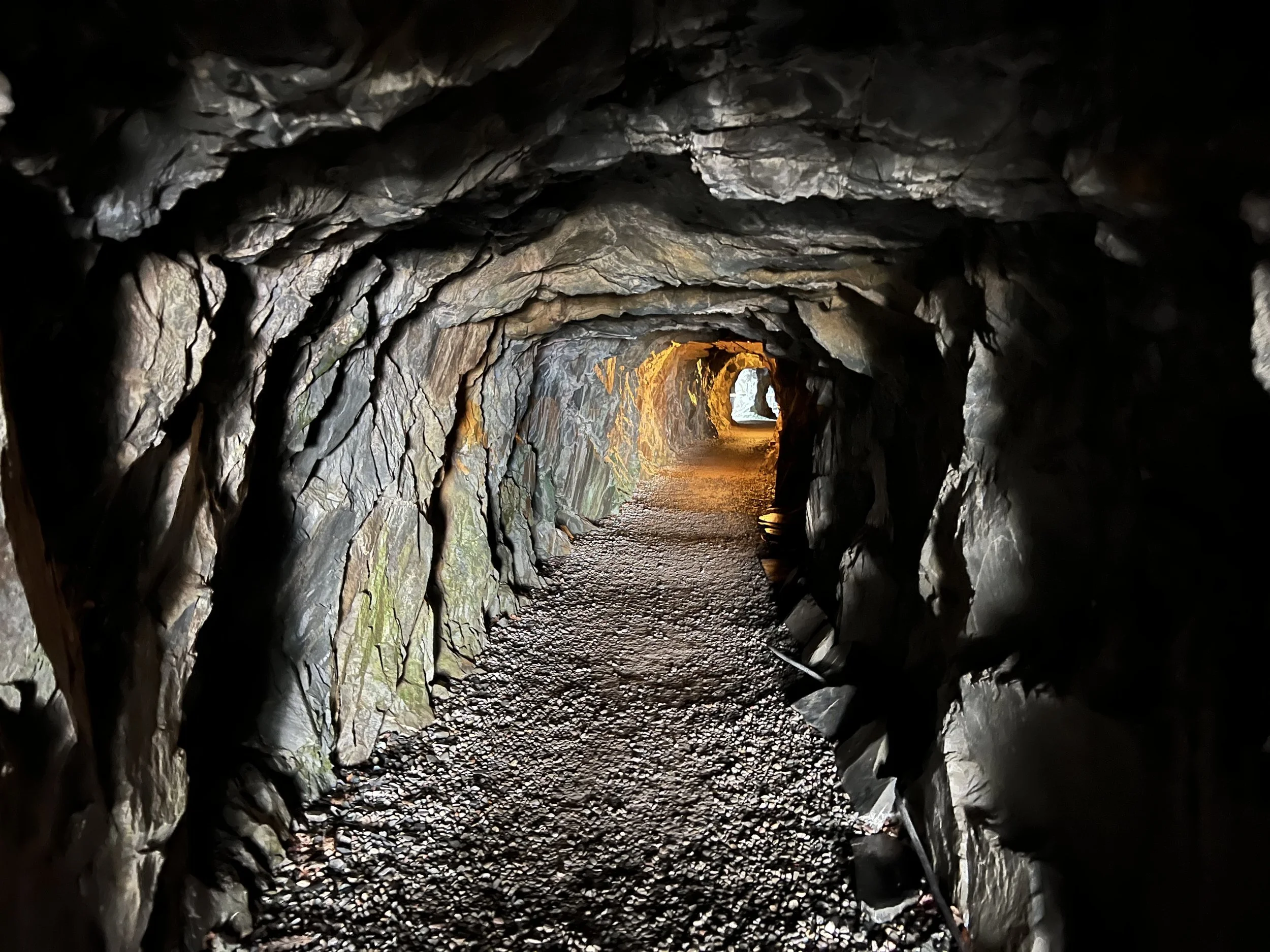
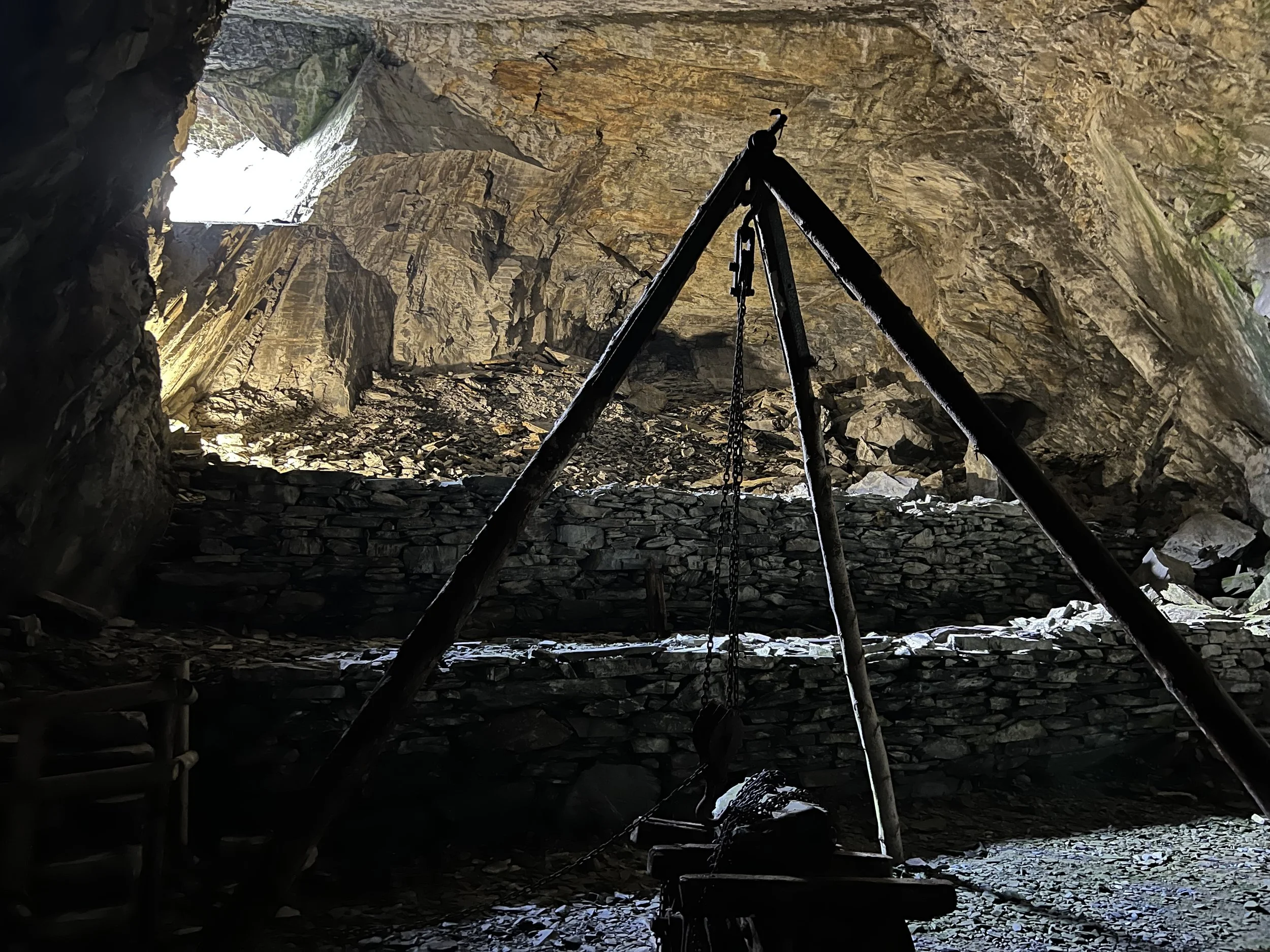
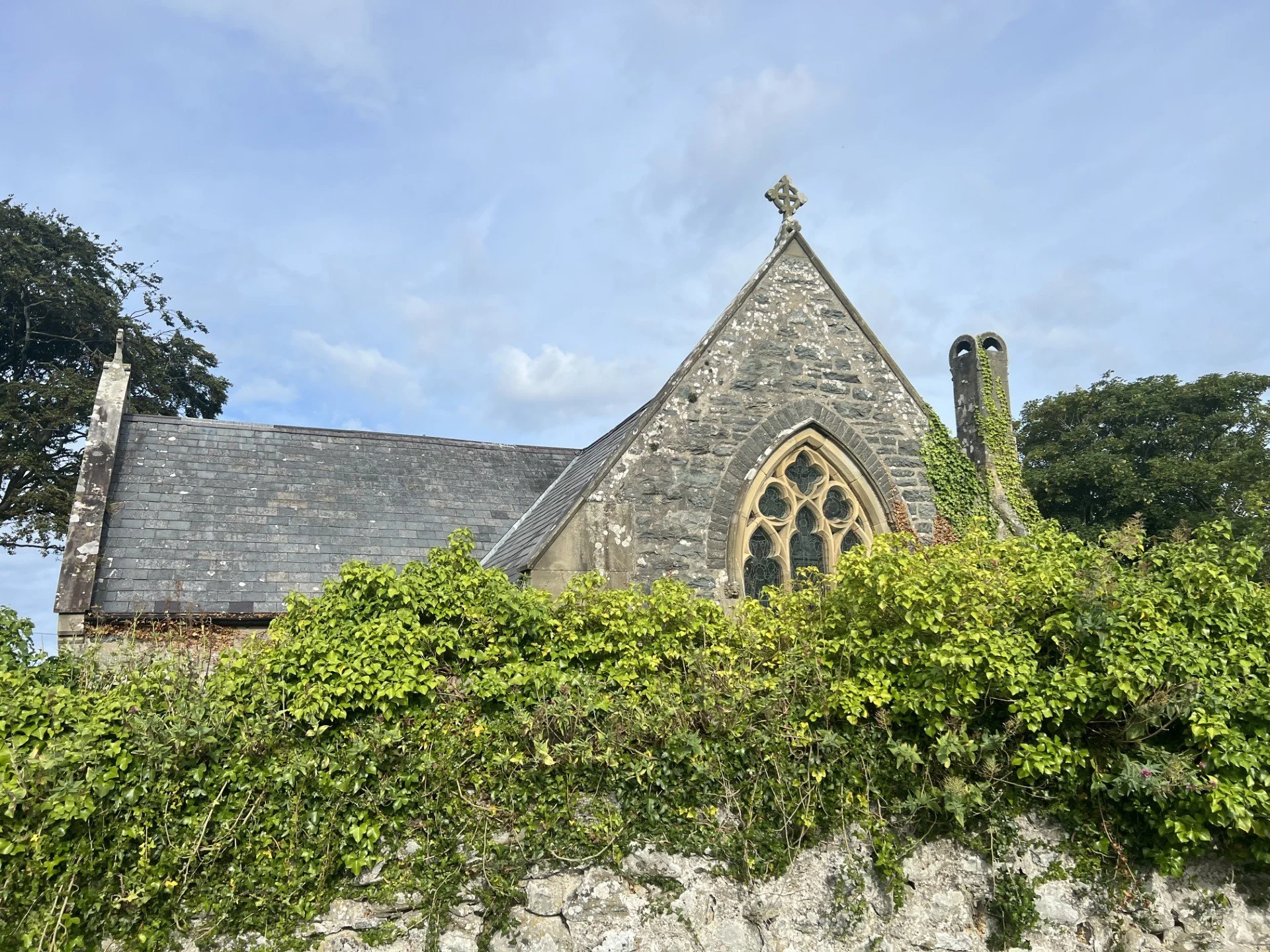
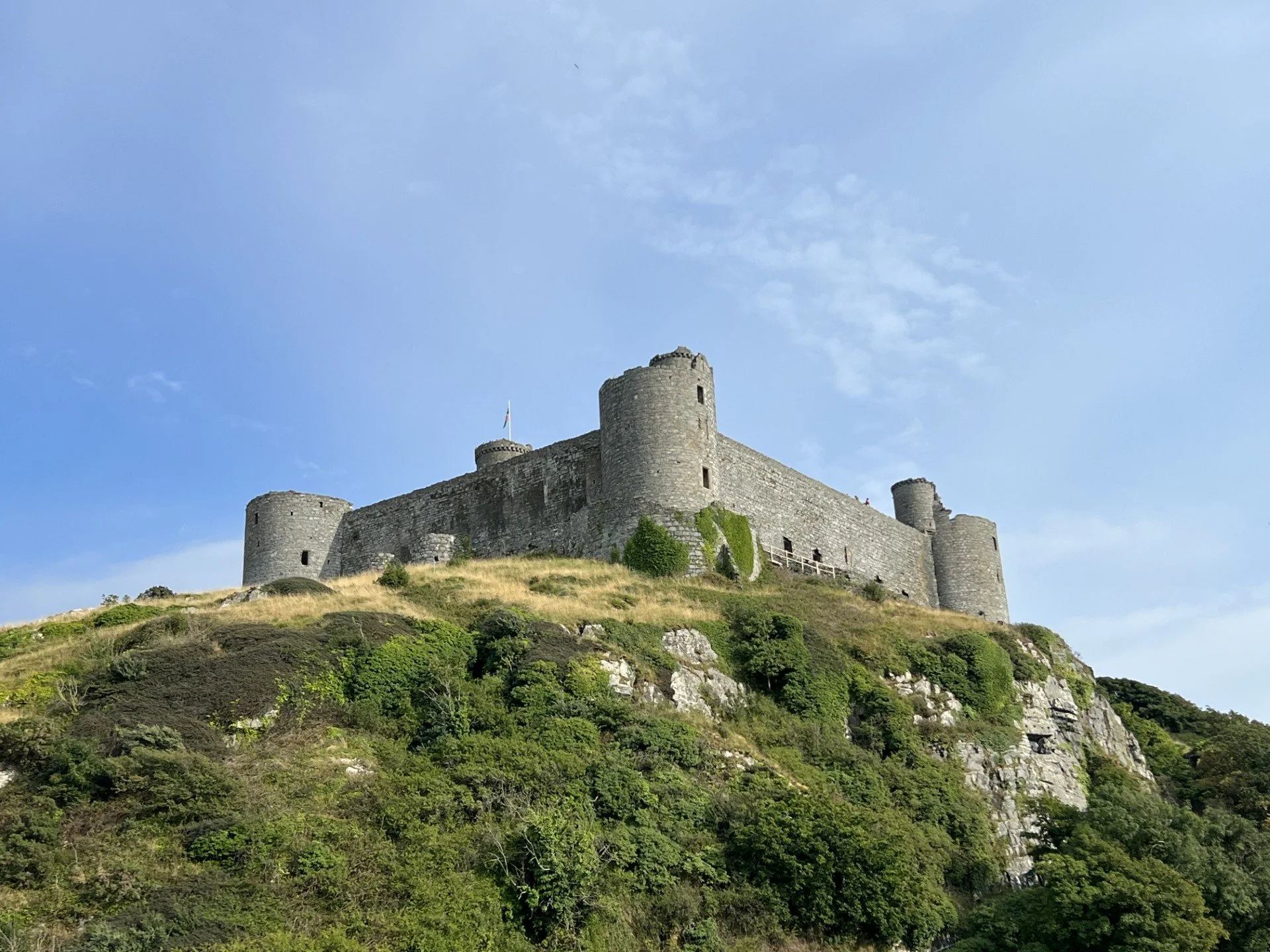
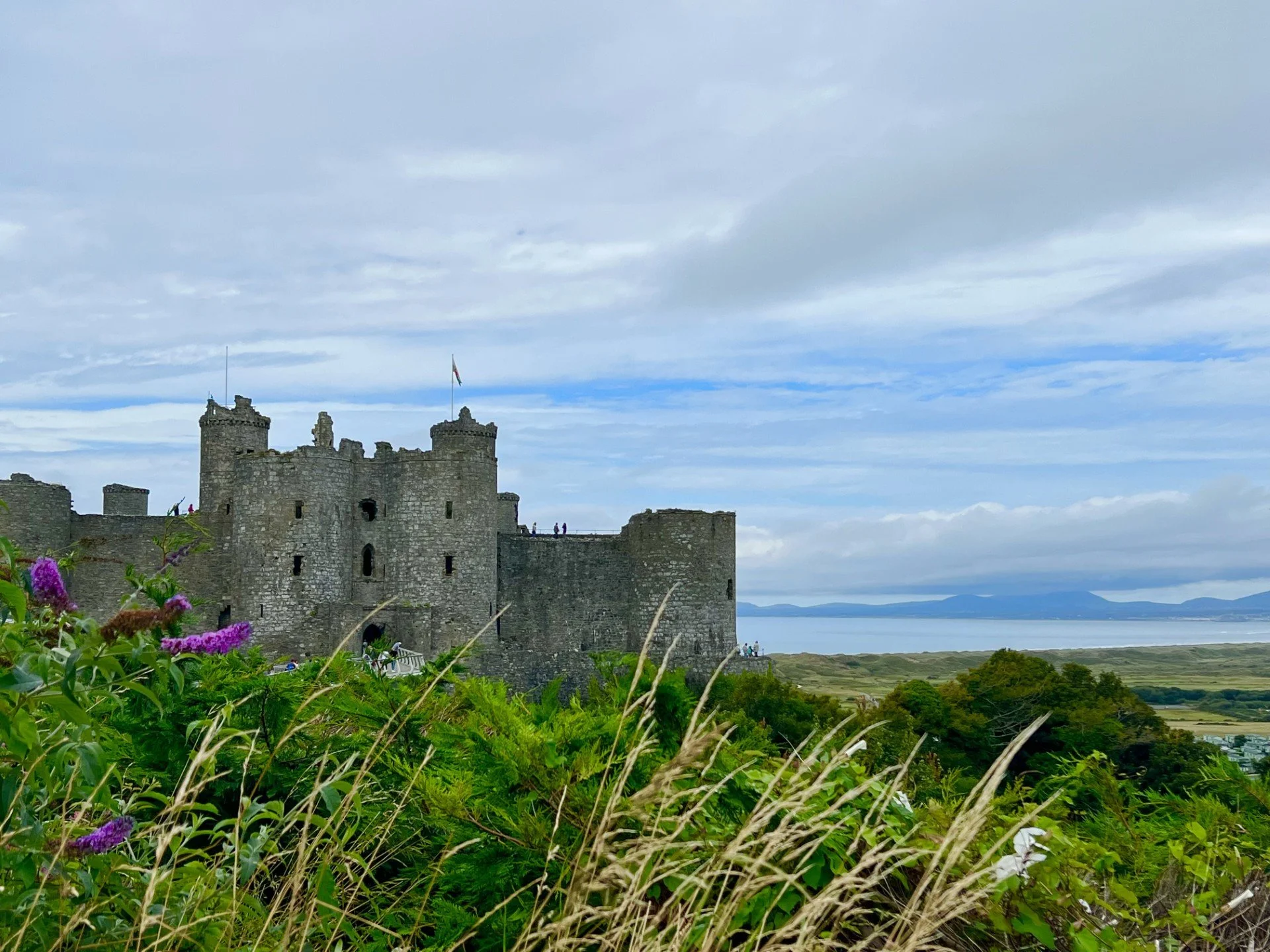
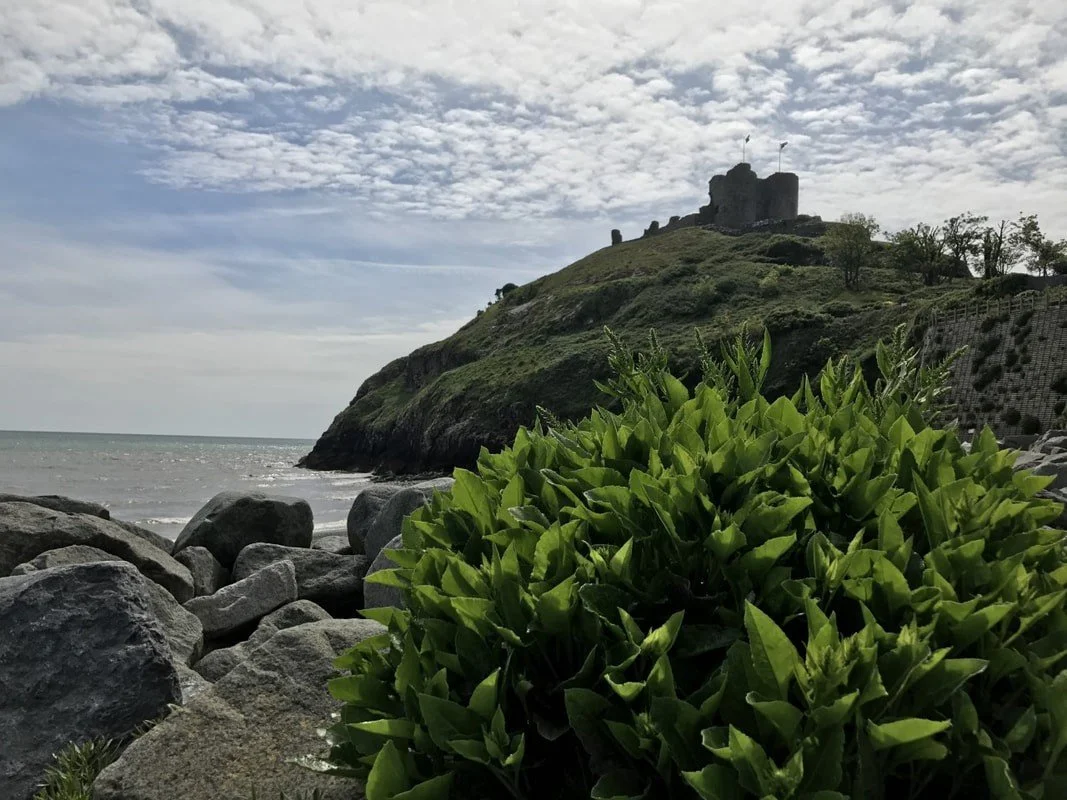
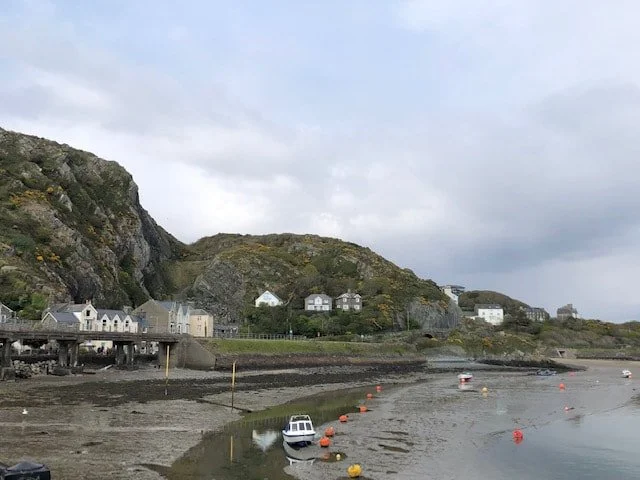
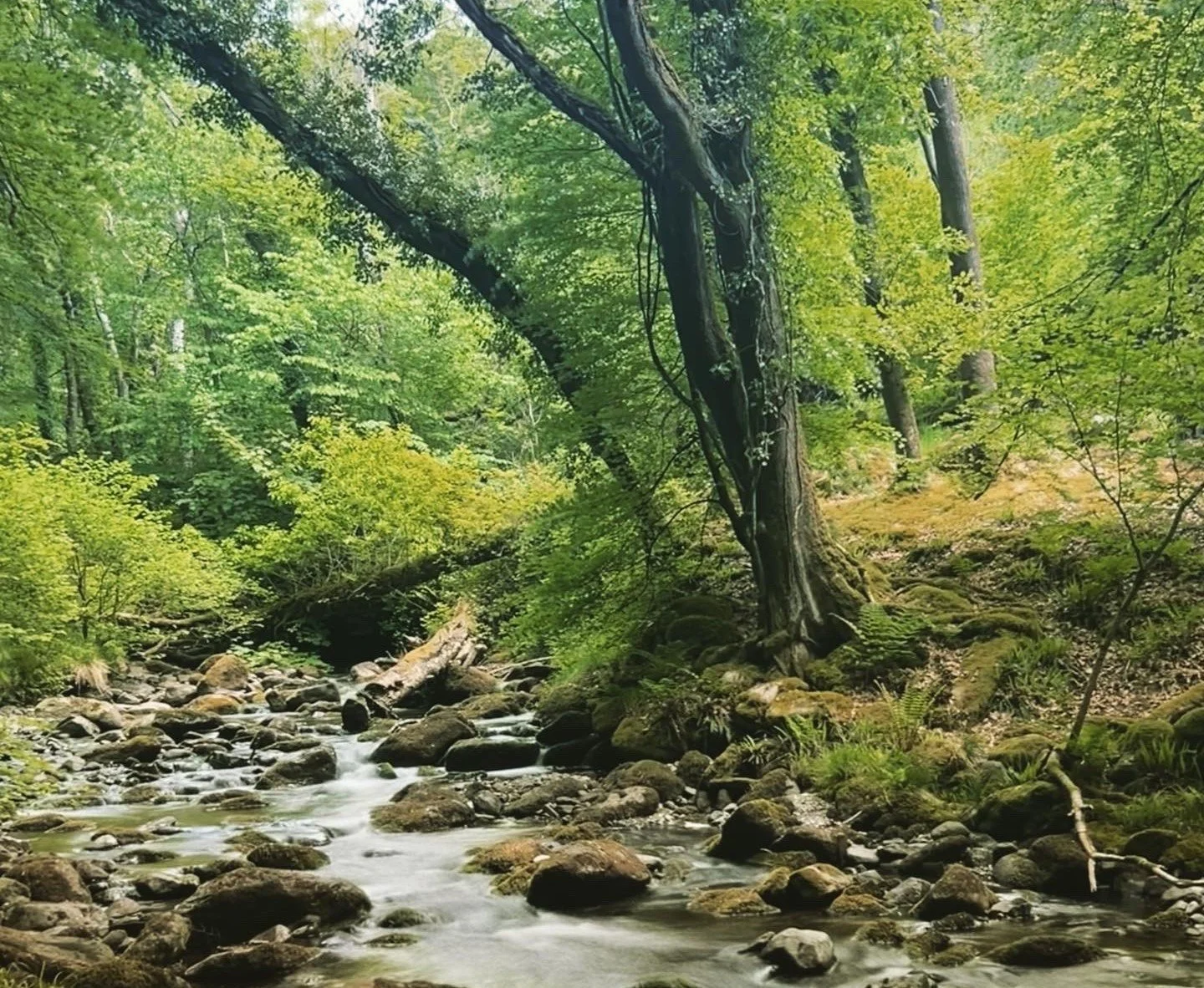
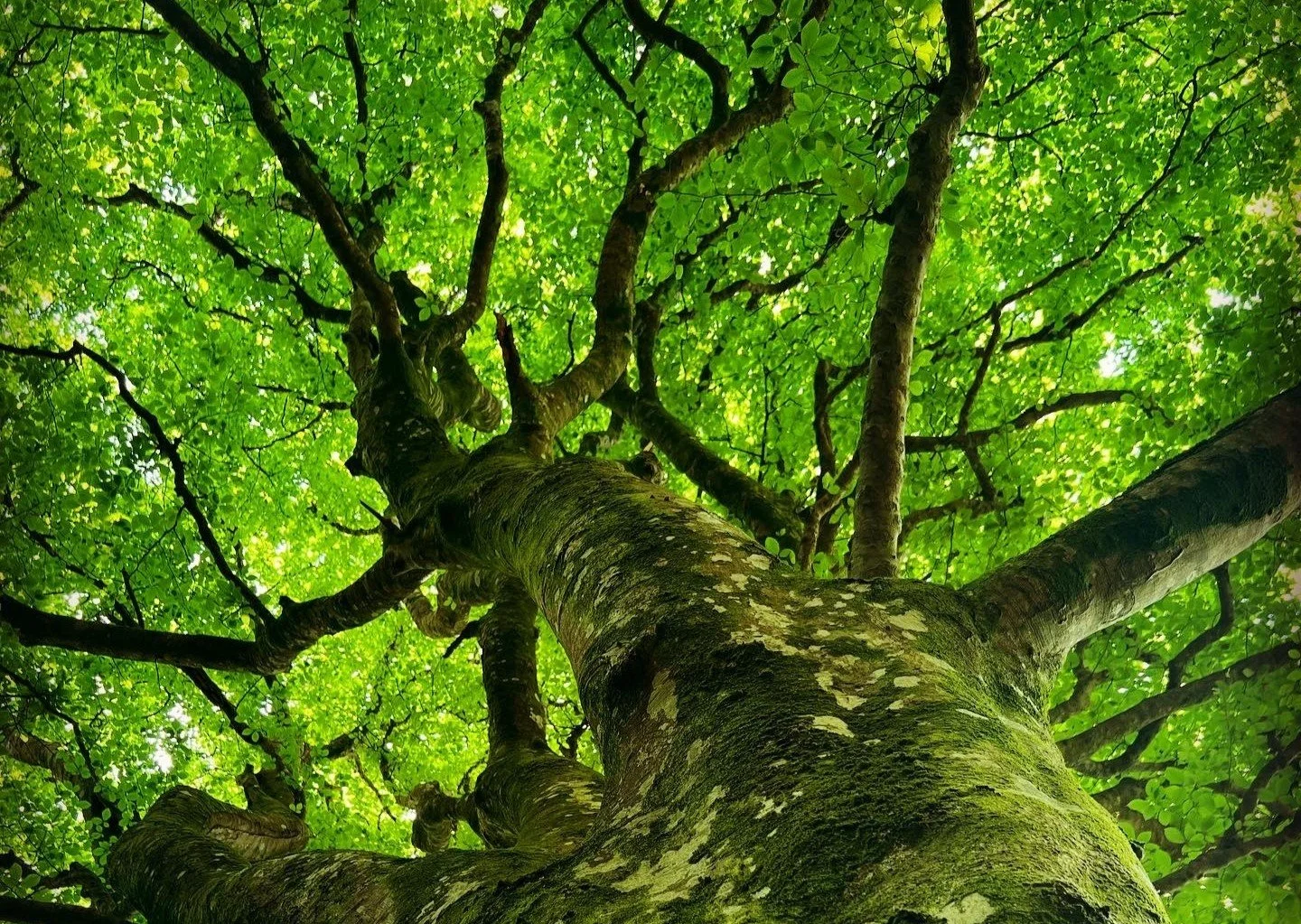
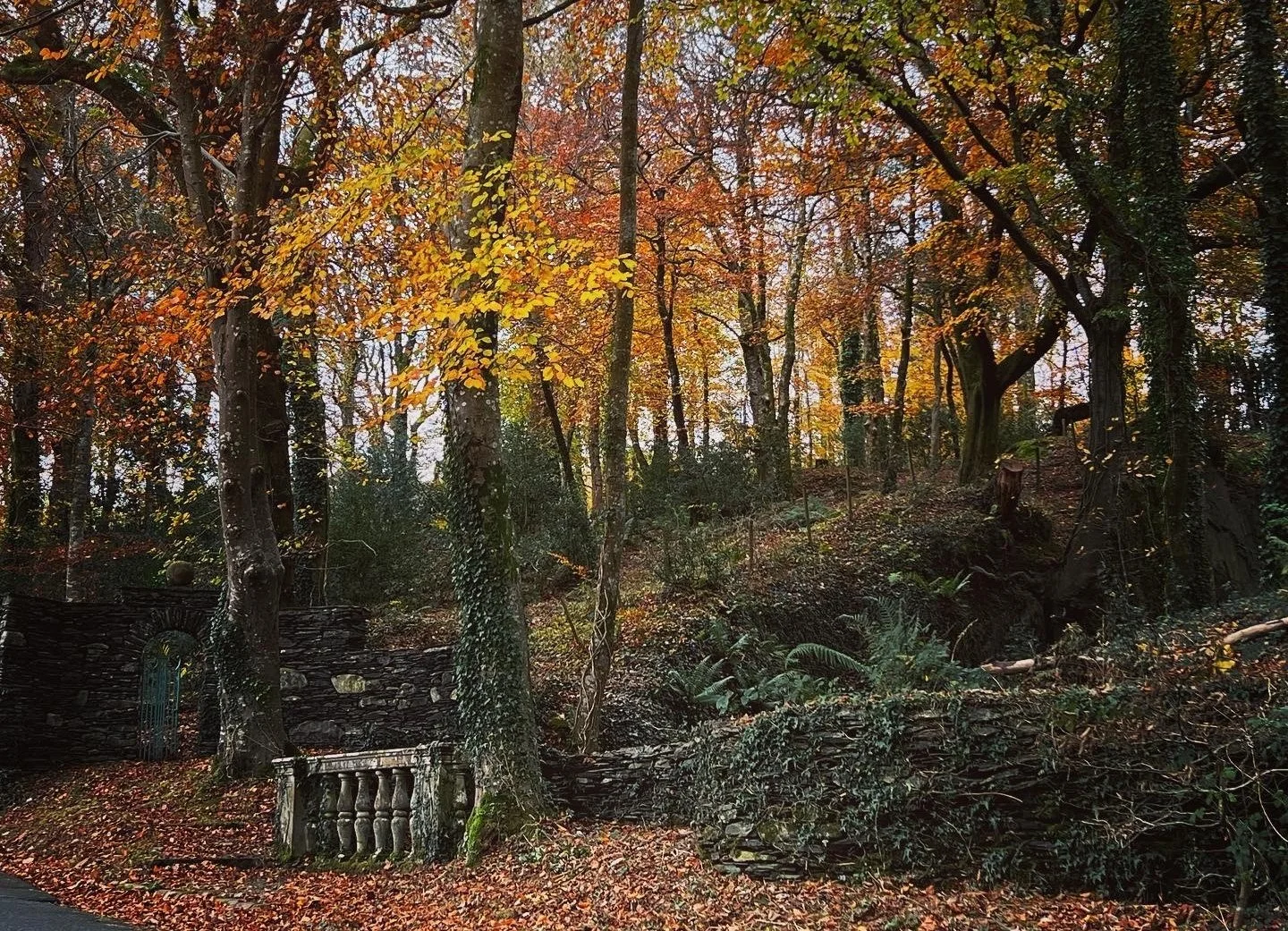
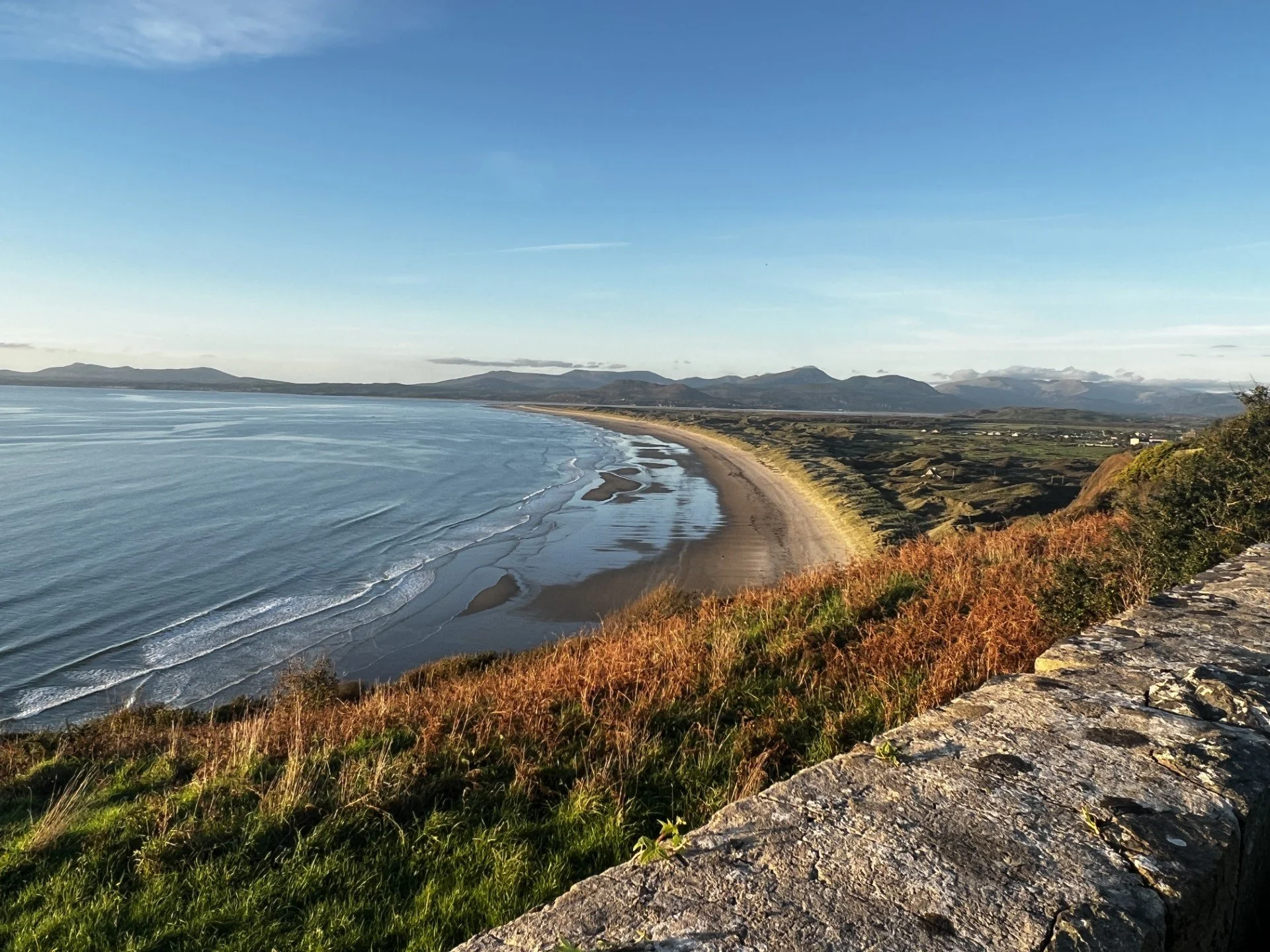
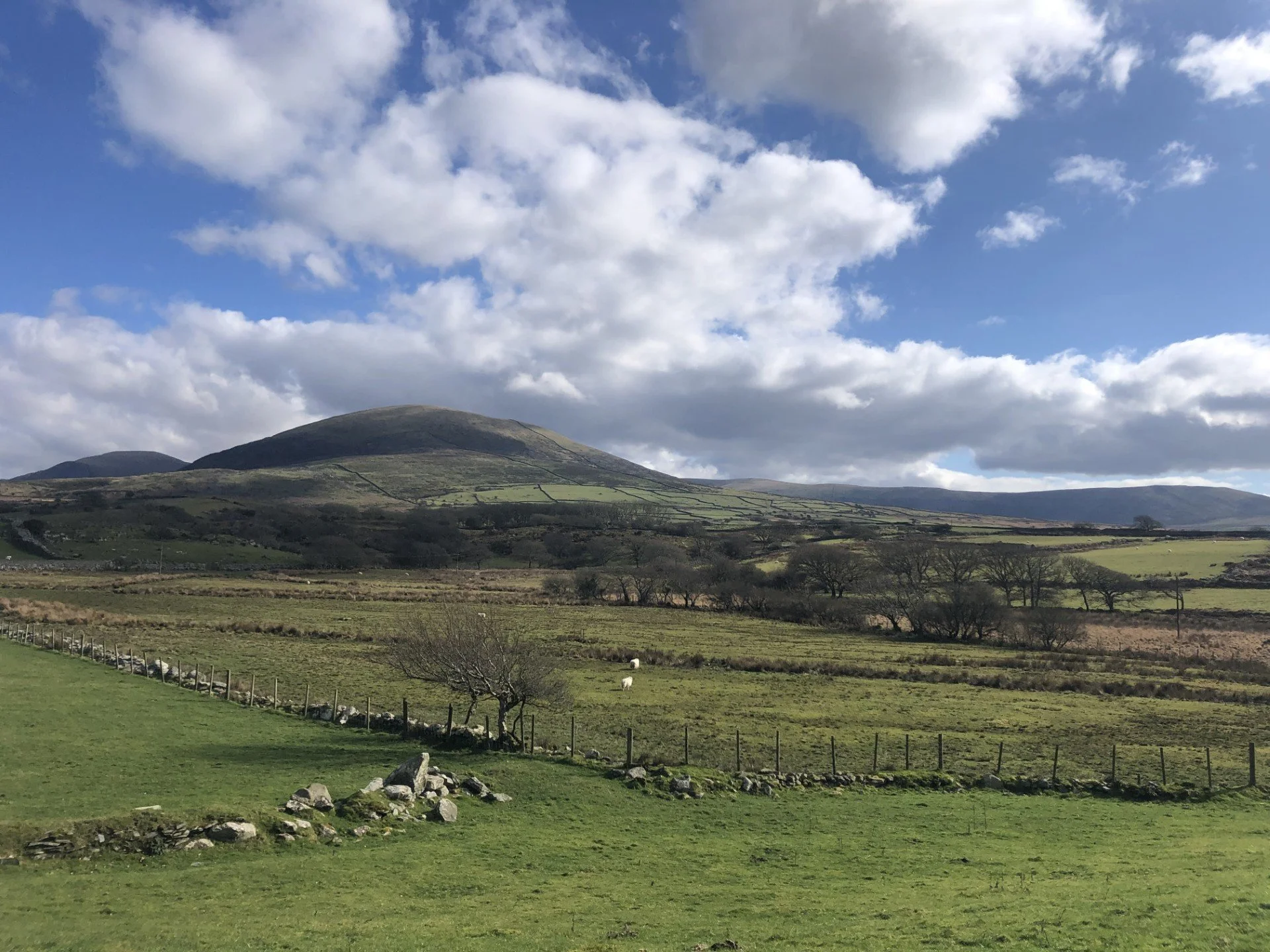
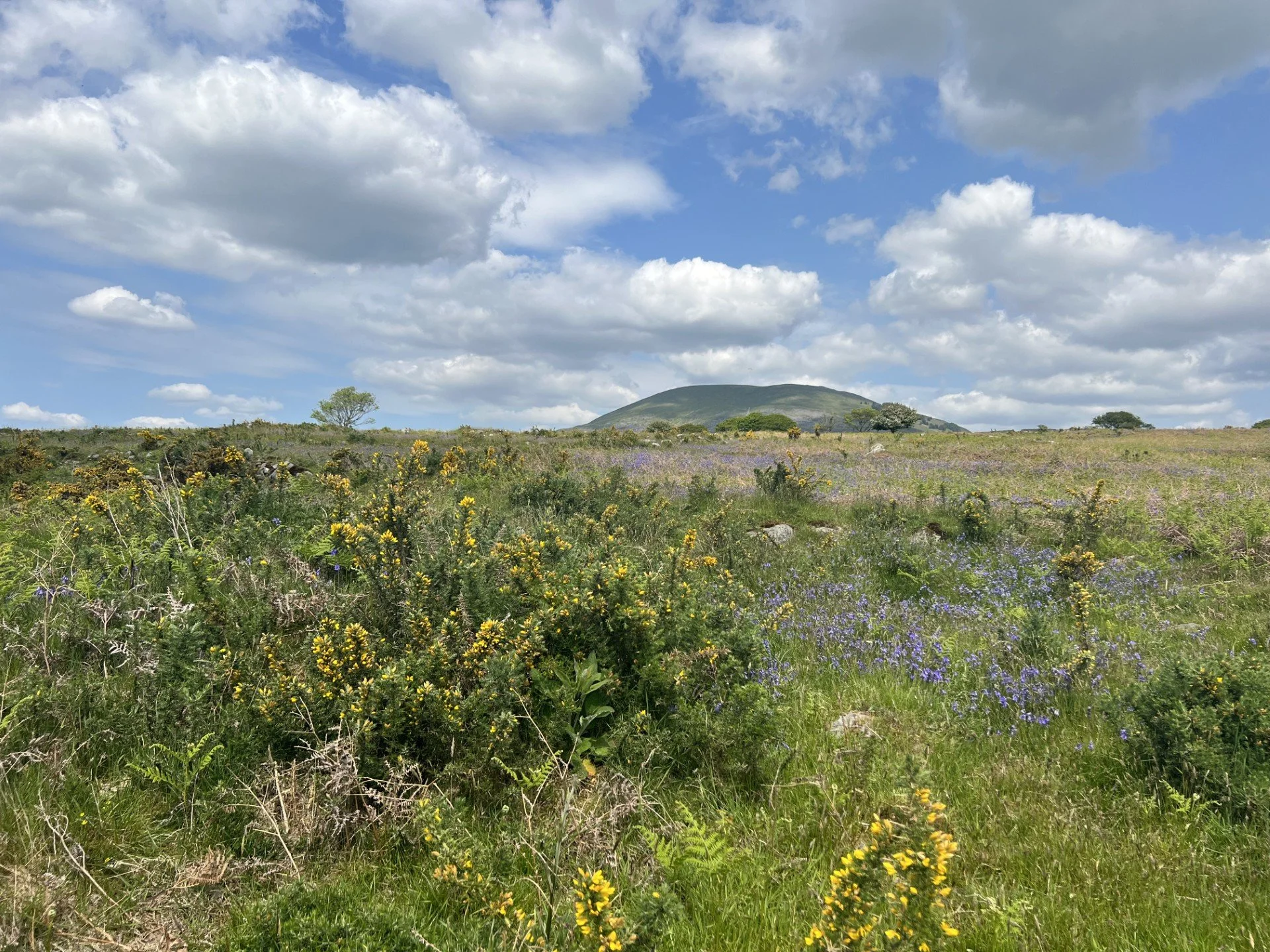
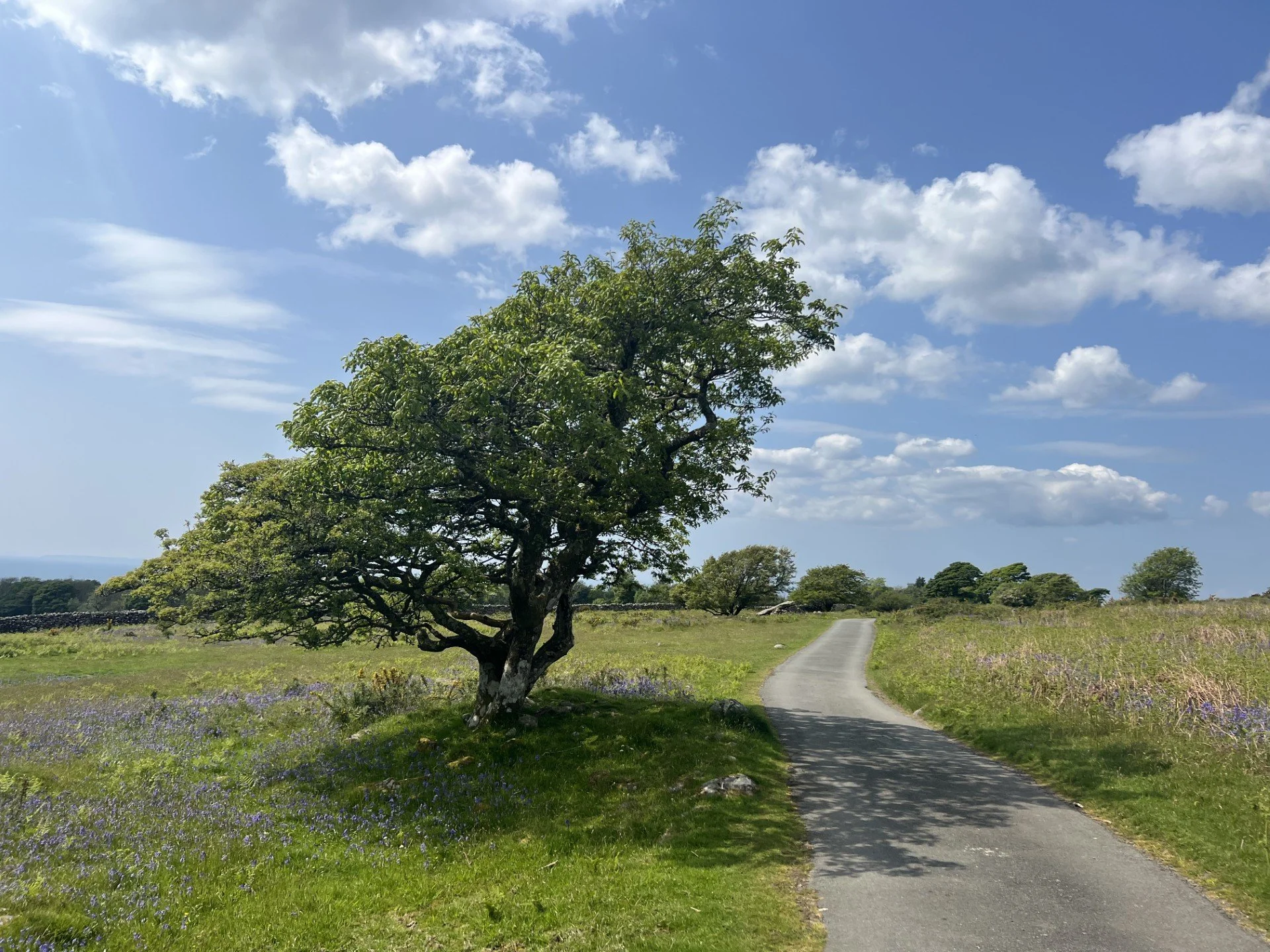
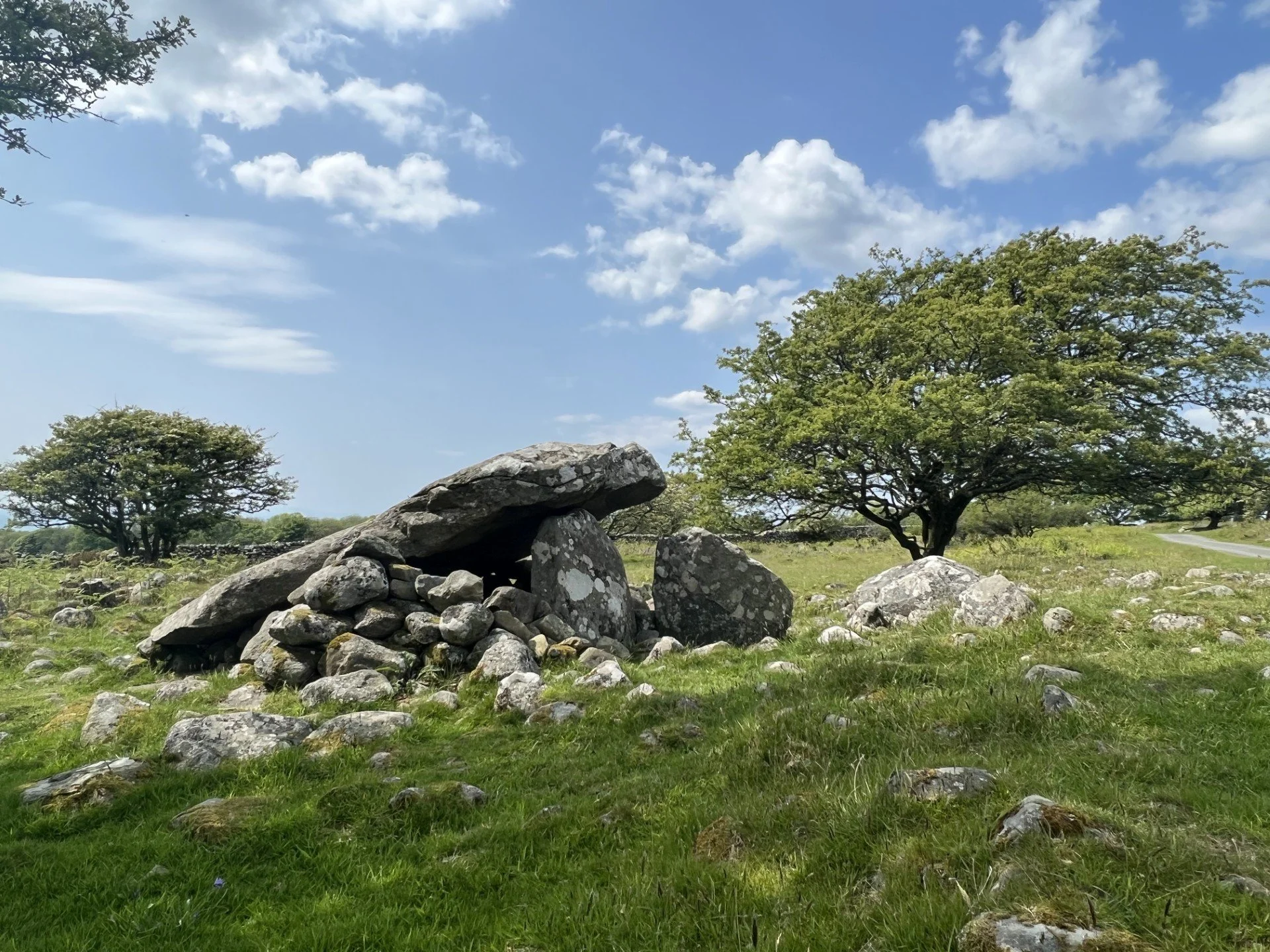
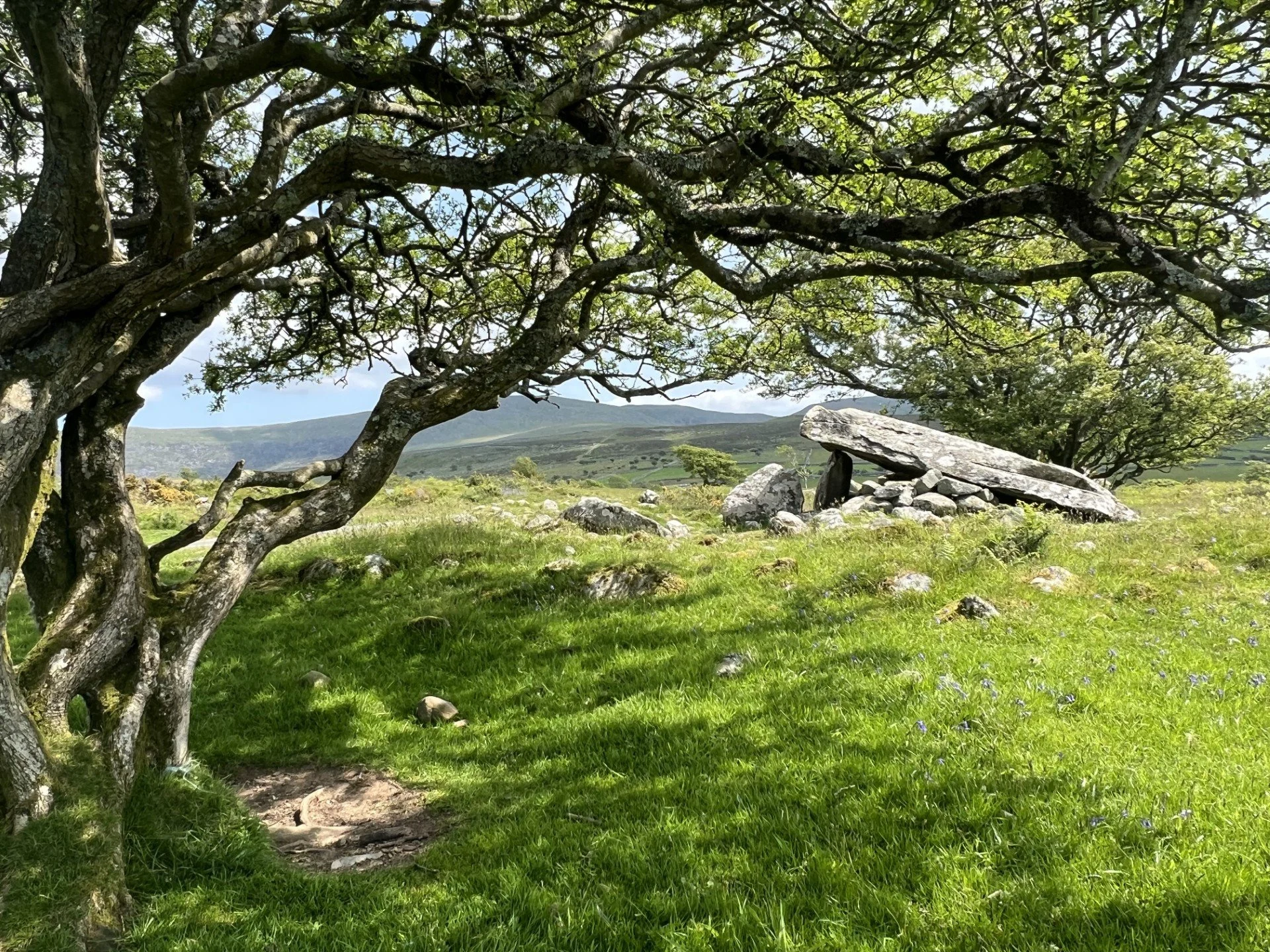
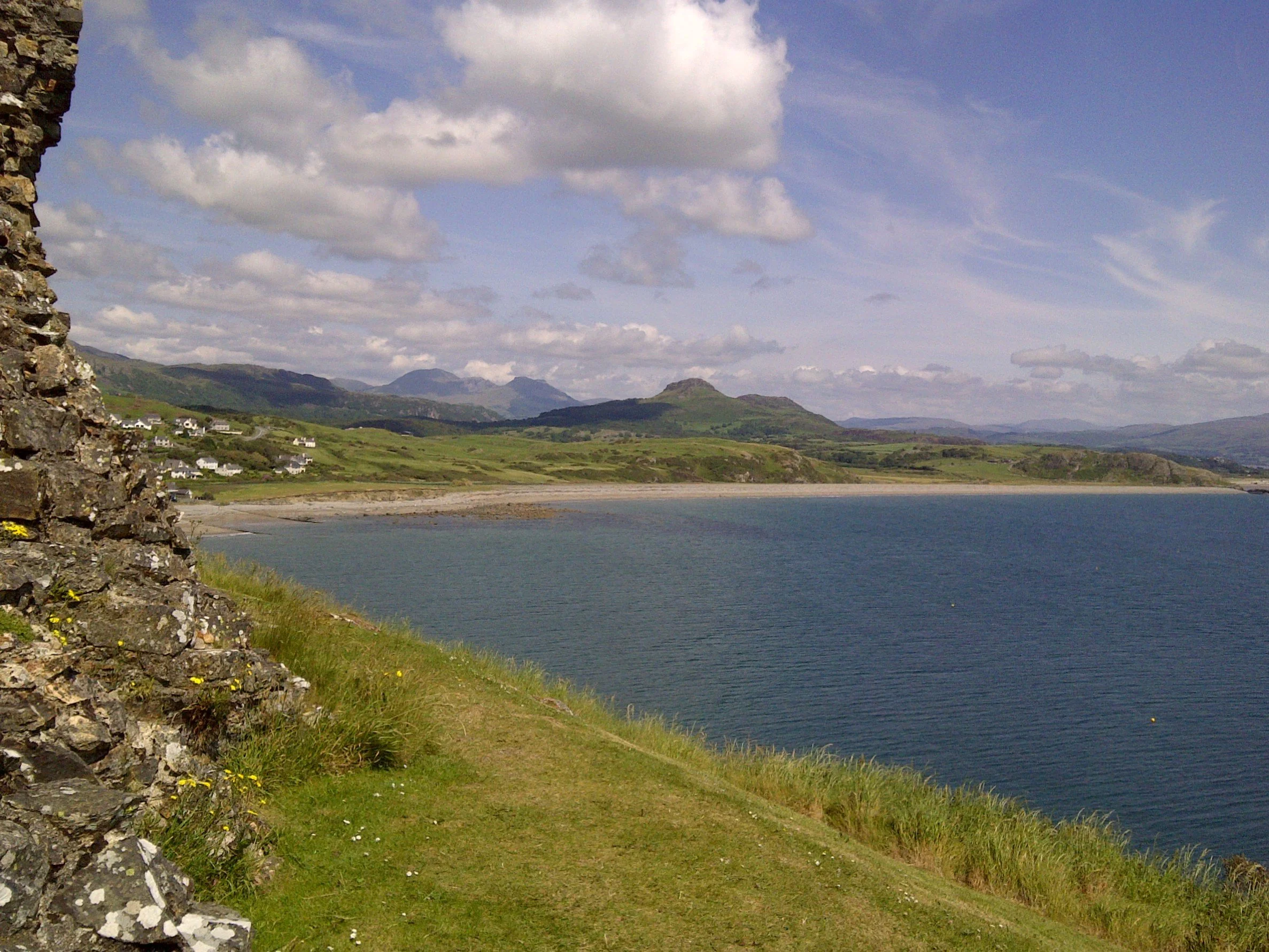
Even as a child the beauty of Wales sparked my imagination; the majestic mountains, the rugged hinterland, the wild and untamed call of the sea. The Welsh landscape lends itself beautifully to 'the Gothick', and I knew many years ago that I would set a novel there. One particular area of Gwynedd - the lush green county once known as the sub-kingdom Meirionydd - has always captured my heart, and it is here that Henry and Linette's story plays out. Below are some eighteenth-century woodcuts and photos that inspired me.
Texts in Antiquity
I have been an avid collector of eighteenth-century texts for a number of years, and I’m often drawn to travel writing, particularly accounts set in Wales, as well as volumes focusing on the occult. I was initially attracted to them simply as objects of interest rather than with any fixed purpose in mind, but it was from looking through these books that the initial inspiration for The Shadow Key began to emerge. Four of them stood out in particular, arranged from top to bottom:
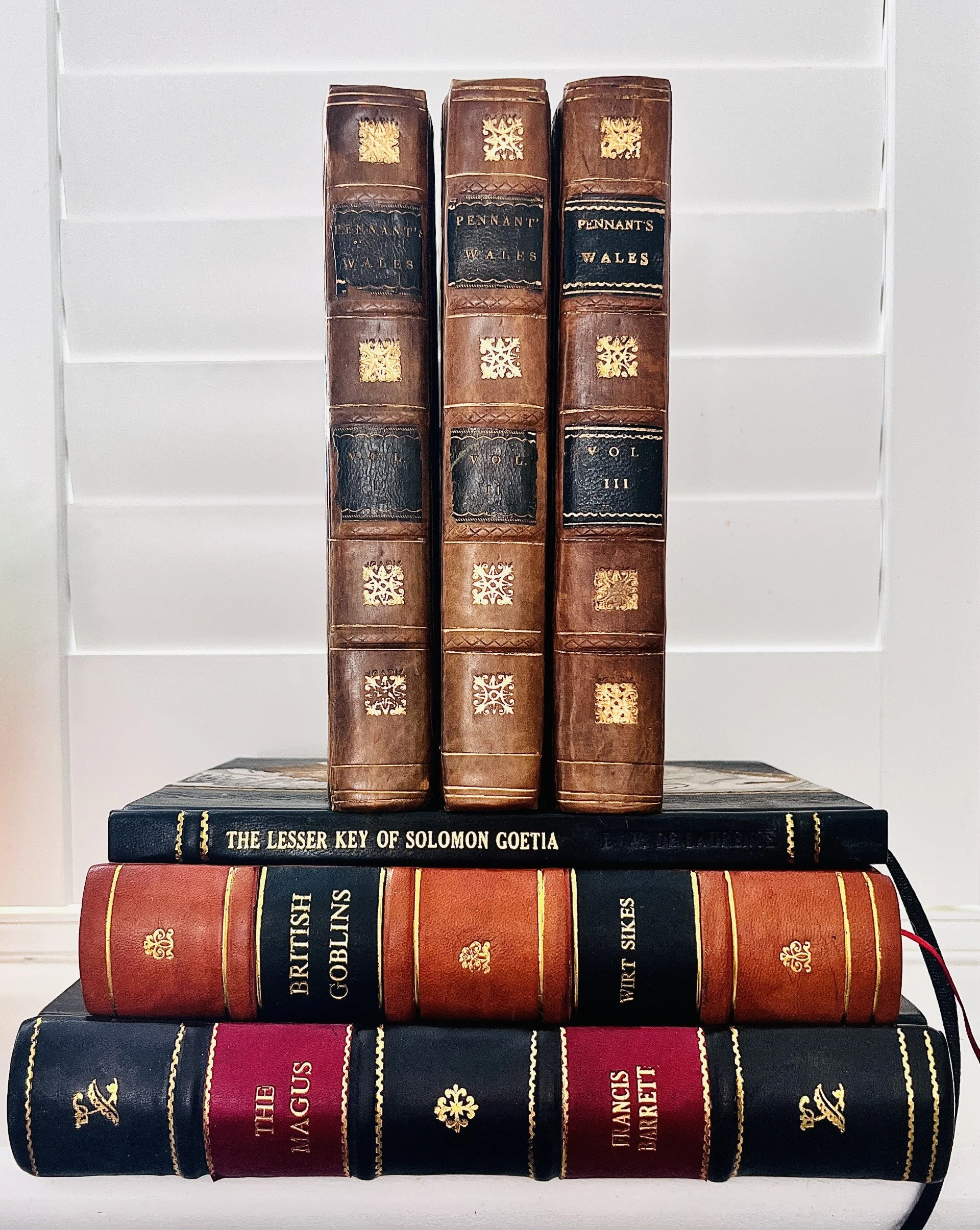
❖ A Tour in Wales by Thomas Pennant (1726-1798): originally published in two volumes; 1778 and 1781. [1810 three-volume edition pictured]
❖ The Lesser Key of Solomon: an anonymously written grimoire on demonology. Compiled in the mid-17th century, mostly from materials a couple of centuries older. [Facsimile bound translated copy pictured]
❖ British Goblins: Welsh Folk-Lore, Fairy Mythology, Legends and Traditions by Wirt Sikes (1836-1883): originally published in 1880. [Facsimile bound copy pictured]
❖ The Magus, or Celestial Intelligencer by Francis Barrett (c.1770–1780, died after 1802): published in 1801. [Facsimile bound copy pictured]
The Research
18th Century 'Gothick'
The Shadow Key is my love letter to Wales - a land steeped in myth, mist, and melancholic beauty - but it is also an homage to the Gothic tradition, particularly the sensational, atmospheric strain of eighteenth-century 'Gothick.' This early incarnation of the Gothic was, in many respects, as gloriously trope-laden and theatrically overwrought as the genre ever became, revelling in haunted castles, sinister monks, secret passageways, and heroines beset by spectral visions.
During the eighteenth century, the Gothic emerged as a cultural phenomenon across Britain, flourishing as both a literary form and a philosophical counterpoint to the rationalism of the Enlightenment. It embraced mystery, terror, and the supernatural, positioning itself as a kind of 'medieval revival' - a retrospective turn towards a bygone era suffused with Gothic excess, emotional intensity, and the sublime irrational. While modern readers are well-acquainted with the later, more canonical Gothic works of Mary Shelley’s Frankenstein and Bram Stoker’s Dracula, The Shadow Key deliberately draws its lineage from the genre’s formative roots.
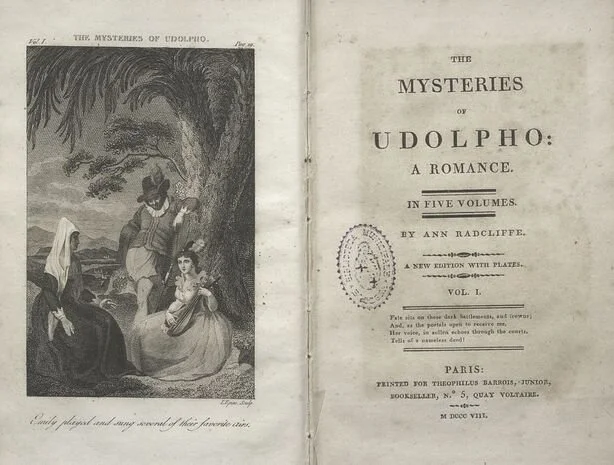
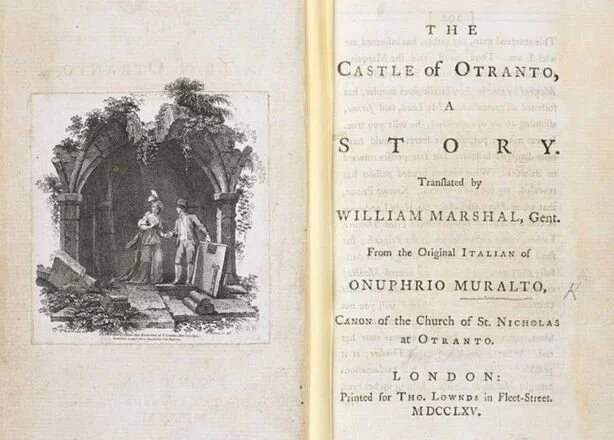
I looked to the early tales that first defined the Gothic mode: Horace Walpole’s The Castle of Otranto, with its spectral grandeur; Matthew Lewis’ lurid and transgressive The Monk; the sublime emotional landscapes of Ann Radcliffe’s work; and, closer to home, the brooding Welsh-inflected fiction of the lesser-known but fascinating Anna Maria Bennett. These texts provided a rich, sometimes decadent tapestry of inspiration, one that allowed me to explore both the psychological and supernatural dimensions of Gothic storytelling through a distinctively Welsh lens.
Welsh Myth & Occult Lore
Wales possesses a richly layered tradition of folklore, a landscape teeming with strange and wonderful myths, legends, and spectral tales that have been passed down through generations. Many of these stories, steeped in mystery and magic, found their way into The Shadow Key, though I could only include a fraction of them. The sheer abundance of Welsh myth is staggering, and while it was impossible to do justice to them all within the confines of a single novel, I urge you to explore them for yourselves - they are utterly captivating, and offer a glimpse into a cultural imagination both ancient and uncanny.
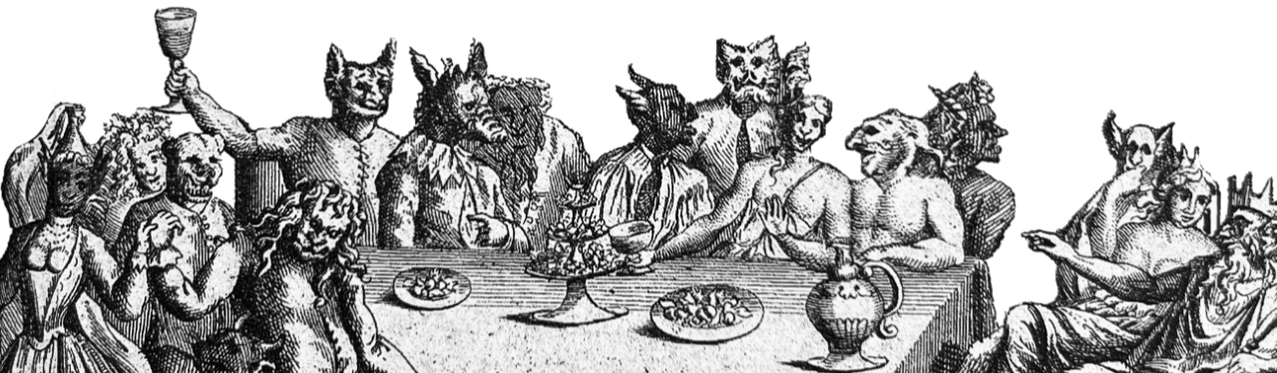
The novel also draws inspiration from the shadowy rumours surrounding the infamous eighteenth-century ‘Hellfire Clubs’, as well as from the countless occult texts widely available during the Georgian period (such as those mentioned above). These books, some earnest, others delightfully unhinged, provided a treasure trove of arcane lore, much of which I gleefully poured over during my research. While not everything made its way onto the page, the process was a thrilling descent into the strange and esoteric - one that shaped the novel’s darker undercurrents in all sorts of unexpected ways ...

Early Works
The idea for The Shadow Key had been languishing persistently in my mind since 2006, possibly even a little before that. I wrote two short pieces ten years apart exploring the idea, and provide them here for two reasons - first, to show how an idea can evolve over a long period of time (you may also notice echoes of Pandora within 'In Shadows') and second (more embarrassingly), to show how I have grown as a writer. In both pieces I've corrected main grammatical errors but kept the painfully clunky writing and over-descriptive frivolities for you to cringe over ... therefore demonstrating my point!
I wish to thank the Society of Authors for the award of a Contingency Fund which kept me afloat financially as I worked to complete structural edits in the latter half of 2022.