
The slow path - AKA - my writing journey
Today is the one year anniversary of the day I signed with my wonderful editor at Harvill Secker, and I thought it the perfect time to look back and reflect on my writing journey ...
How it all started
It goes without saying I was very bookish as a child. My first love was actually (much to the concern of my mother) dinosaur manuals, though these did get intermixed with Flower Fairy alphabet books (much to my mother's intense relief), and the first work of fiction I consciously remember being the definitive book that made me a 'reader' was L. M. Montgomery's Anne of Green Gables. I devoured Sweet Valley Twins and Goosebumps books, anything with vampires in, as well as what my parents jokingly called 'corset rippers' written by American authors in the 70s. But, I also became addicted to anything that could transport me to another world - I fell in love with Disney movies (Beauty and the Beast, The Little Mermaid and Aladdin were firm favourites) and later became a teen geek in the noughties; I watched WAY too much Buffy, Angel, Roswell High and Farscape, gorged myself on the halcyon days of Furcadia and Livejournal, and posted creative offerings on FanFiction.net and DeviantART. I played Pagan Ultima VIII, Tomb Raider, Diablo III, Final Fantasy and KOTOR on PlayStation, Xbox and PC. All of these things helped spur on my very overreactive imagination and as a consequence I spent my late teens (and, admittedly, my early 20s) in a procrastination daydream - while I had an imagination ripe for storytelling I’m ashamed to say I was a shockingly lazy person and only learnt the value of hard work (both academic and practical) when I was thrown into the cold reality of adulthood, simply because I did not free up the headspace necessary for more 'every day' endeavours. I spent my late 20s and early 30s wishing I could turn back the clock. In short I was a slow starter, and only had myself to blame.
My financial situation didn’t help. I am from a lower-middle-class background. My family were not wealthy by any stretch of the imagination - I would not go as far as saying we were poor, but the majority of my clothes and toys were second hand bought from charity shops and jumble sales, holidays were never spent abroad, and we lived very leanly in the main. It wasn't until my father died when I was sixteen that his skeletons emerged from the closet and it hit home just how much he struggled to keep the family afloat. I resolved to go to university (the first in my family), somehow managed to scrape the grades to get there, and applied for a student loan. You'd think that lack of money growing up would have instilled in me a sense of financial responsibility but it didn't. I got the maximum loan available to me due to my family circumstances, and - it being the most money I'd ever seen in my entire life - went wild with it, promptly getting myself into massive levels of debt with no means of easing the burden. I own that this is completely my fault, but it did mean that when I left university I had no choice but to immediately earn a living to get out of the hole in which I'd managed to dig myself. Handouts were not readily available, and those that were came with a sense of strained obligation. After a failed stint in publishing (it was the 2009 recession and getting a job in an already difficult-to-get-into industry was impossible without financial support), I had to get a menial office job. I spent a total of seven and a half years working all-hours trying to make ends meet, while playing catch-up on debt management (which wasn't easy since debt unfortunately begets debt). Many times I barely managed it - I didn't earn enough to adequately cover my outgoings. I remember one week in winter prior to payday where I couldn't afford to top up the electric meter, so I ate a microwave dinner at work and stayed there doing admin as late as I could so I wouldn't have to spend time in my tiny rented studio flat, cold and in the dark. I admit, all this made me a very bitter and shamefully melodramatic individual.
During those formative years I wasn't mentally in a position to write, but I talked about writing a novel to anyone who might listen. I kept a folder full of notes that I added to every now and then, and told myself this was progress. But, that was all. I'm embarrassed to say that it wasn't until a rather traumatic romantic experience I realised how intensely unhappy I was, how extremely dissatisfied I was with my life.
It's a bit of a self-pitying story, I know, and you might ask why I am telling you all this. It's a fair question, and if you've read this far then massive kudos - if it were me reading this I probably would have closed the browser by now. So, why am I telling you? Well, to give you some context I suppose and to say that, basically, it wasn't until I was 26 that I actively turned my attention back to writing, the thing I had wanted to do since I was 14 years old. I felt I'd wasted those early years, and if I didn't make a choice to make a change ... you get the idea. It made me more determined, too, not to mention insufferably stubborn.
Making myself 'known'
I chose to study English Literature and Creative Writing at university. Both degrees - a BA and MA - were extremely useful, however, I would be lying if I said they taught me how to write. I learnt form and technique, editing skills, and historical knowledge (it was during my MA after all that I got the idea for my first novel), skills which have been beyond useful, but it was only by writing that first novel I actually learnt how to write (something I'm still learning to do even now), and my degrees certainly didn't prepare me for the realities of the writing scene. That came with wading rather forcefully into fray!
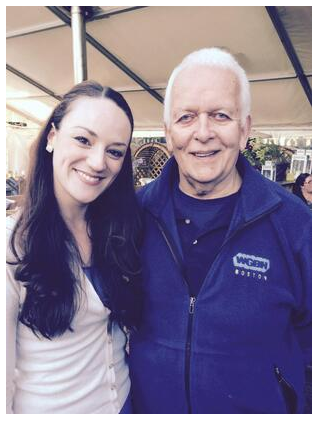
A particular and rather well-worn phrase kept turning around in my head - it's who you know not what you know. I don't fully believe that, but I figured it would at least benefit me to gain some traction by socialising in the 'right' circles. I lived in the Midlands then, so there was some opportunity: I began to take an interest in Writing West Midlands, the local literature development agency, and by doing so I was able to attend events sponsored by them such as publishing talks, open mic nights, poetry readings and book launches. A lot of the time I only hovered quietly in the background. Sometimes I chatted with the other attendees (albeit shyly). The only thing I didn't attend to begin with was the Birmingham Literature Festival due to the fact many of the events were held while I was working, but there were other events I made sure to show my face at - there was the PowWow Festival of Writing (where I met screenwriter Andrew Davies of Pride & Prejudice fame, a massive fangirling high point, pictured above) and Althorp Literary Festival. Further afield I went to Gladfest, and also began to take an interest in the academic side of things (a throwback to my university days), attending the annual Keats Foundation and Hazlitt Society conferences, and any one-off history, literary and humanities conferences that struck my fancy. But, the lack of return was frustrating. I felt like such an imposter during those in-person events (a post for another time) and invisible online (so many Twitter posts met with radio silence). Yet the more events I attended the more my confidence grew, and the more people began to recognise my name. I often wonder ... if I hadn't thrown myself into all these events, would things have happened the way they did and at the level they did? I do know I wouldn't have heard about - let alone taken up - some of the opportunities I had if not for these early literary connections.
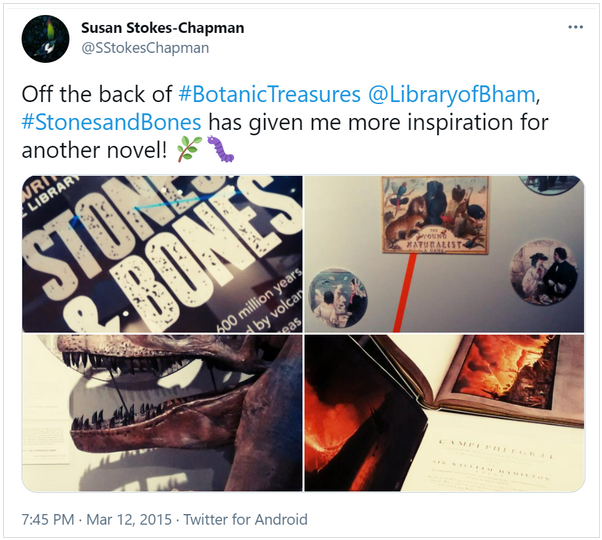
Just now I mentioned Twitter. I'd created an account in 2011 'just because' but hardly ever used it. At the time I decided to enter the writing scene I also decided it was time to dust the account off, since Twitter has always been a big platform for the publishing world (NB: as of 2025 I no longer hold an account). As I involved myself more and more in the literary scene, slowly but surely I gained followers by actively using it for history, academic, writing, and literature related posts only. For instance, during the writing of my first novel I signed up to various establishments - amongst them The British Library and The National Archives - for the sole purpose of historical novel research, and would post about everything I was doing there whenever I could. Going to museums and exhibitions which served to inspire novel ideas added interest to my timeline too - the Tweet shown above is referencing an idea I hope to pursue in a few years. As I said, the posts never got many responses, if any, but it was all part and parcel of making myself 'seen'.
Giving back and finding that 'in'
I truly think that if I had been given the right opportunity at a young age, then I'd have been a lot further along in my writing career during my twenties than I was. When I saw that Writing West Midlands offered a programme called Spark Young Writers - a chance for children and young adults interested in writing to, well, write - I wanted to become a part of it. In early 2017 I saw they were looking for an assistant writer and so I applied. I was thrilled when they offered me the position because it achieved three goals: teaching practice (I had been toying with the idea of a PhD at the time), public speaking practice, and a stronger connection to the writing community. Two years later I'd progressed from assistant to lead, a post which I held until June 2021 and one I thoroughly enjoyed - it was wonderful to see my young writers develop, and I'm sure we'll be seeing many of their names in publishing circles in the future!
In any case, by being more directly involved with Writing West Midlands I heard about their Room204 Writers' Development Programme. It took three attempts to gain a place, but in 2019 my perseverance prevailed. Becoming part of this programme meant I got more specialised support and insight into the publishing industry as well as the opportunity to attend their yearly conference. I also began to attend events offered as part of the Birmingham Literature Festival, and started to receive commissions for poetry and teaching historical creative writing workshops.
'Homework'
During this time I was actively working on my first novel, and read a few 'how to' books to help me along the way. While I wouldn't say these were a necessary read I certainly found them useful and post them here in case you might benefit from them too:
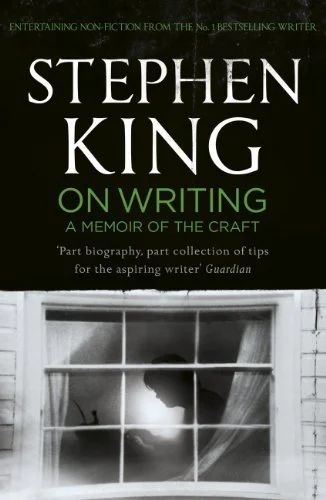
On Writing by Stephen King
Absolutely fascinating insight into the mind of a literary genius with some extremely useful tips for writers at any stage of their career. 10/10
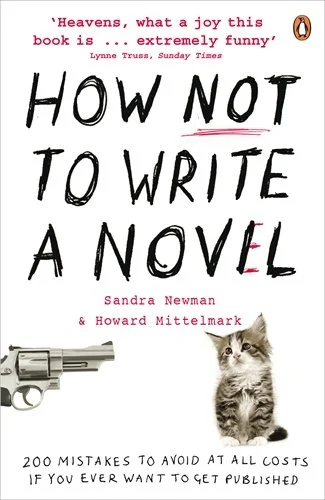
How NOT to Write a Novel by Howard Mittlemark & Sandra Newman
A rather tongue-in-cheek piece of writing but a really good resource for aspiring novelists. 6/10
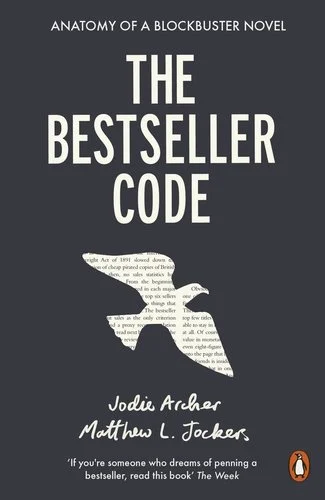
The Bestseller Code by Matthew Jockers & Jodie Archer
Not to be taken as gospel, but a very interesting read that explores mapping of pinch points and algorithm data which may prove useful. 8/10
Losing out - when writing affects your personal life
I'm hesitant to write this part but I think it a more honest approach to clearly explain the good and the bad of this whole process, and the point of my blog posts is 100% transparency, so, here goes: I definitely upset and ultimately lost people along the way.
I became reclusive and entirely self-centered in my bid to chase the dream. I would forget to contact the people closest to me. Occasionally I would cancel a get-together, either because of lack of funds to socialise (spare cash tended to be spent on research books and all the activities listed above) or the need (italicised because it felt very much like an intrinsic thing) to work on the novel. Sometimes, the reason was both. Living on my own made a massive difference - I had no accountability, no one to remind me there was a life outside the hermit hut. Without this accountability I would write during every free hour available to me - in the evenings after work, all weekend, pull the odd all-nighter, or not go to bed until 3am. The reason was because, like I said before, I already felt I'd wasted my early years and I was desperately trying to make up for lost time. But. Not everyone understood why I pursued the dream so passionately, why I felt it necessary to 'sacrifice' so much of the little free time I had. I was made to feel guilty about it, about wanting something 'better', something 'more'. I was once asked why don't you have a normal profession? and why I didn't self-publish, why doing that wouldn't be enough. It wasn't enough, not for me - I wanted to see my novel in bookshops, to have at least the chance of financial success which would enable me to write for a living, something that was unlikely to happen - though, I grant, not impossible - if I went the non-traditional route. I tried to explain this to them, many times (and undoubtedly got over-defensive and angry as I did), but I'm sorry to say that I still lost people I never expected to lose.
It's not a nice feeling. It was incredibly sad and frustrating. My advice to others if you find yourself in a similar solo-living situation is to remember to breathe, remember to take time to reconnect with the outside world. Remember that what you think is acceptable behaviour won't always be acceptable to others, no matter how good your reasoning. Most will be willing to let you get on with it (and I'm thankful a great many people were), knowing you'll be there when you come out on the other side, even if you're not quite the same person who went in. Because writing does change you as a person. It truly does take up part of your soul. The point is, try not to alienate yourself like I did. I will say this: I am convinced that if I hadn't thrown myself into my writing to the level I did, that I wouldn't have achieved what I have today. Because of this I don't regret any of my actions in that sense - I did what I had to do to achieve my goals, that elusive long-sought dream. I just regret the way things panned out on a personal level and that, unfortunately, some upsets cannot be repaired.
Joining a writing group
Still, it is a truth universally acknowledged that the only people who can truly understand what a writer is going through and how badly they want to achieve the dream - whatever form that might take - are fellow writers. They get it. Writers are a breed entirely of their own.
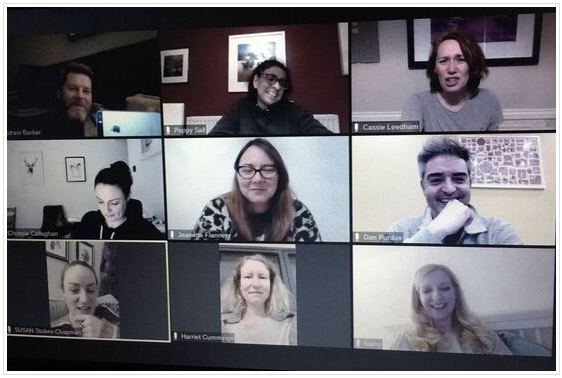
In 2017 I happened across a callout on Twitter to form a local writing group. For those who don't quite know what that entails, it's when fellow writers get together to discuss WIPs, bemoan writerly disappointments and celebrate successes, all without judgement. It's a wonderful support network and I encourage everyone to join a group if they can. The group I joined definitely made my writing journey not quite so lonely, and I'm so thankful to be part of it. We started off meeting in person once a month, but when the pandemic hit and we were forced into lockdown we moved onto Zoom, which in some ways worked better (less travel time, more chatting time). The above picture shows a few of us at one of our Zoom meetings earlier this year.
The main turning point
It wasn't until the Writing East Midlands conference of 2018 that things finally started to take a positive turn for me. I was shortlisted for an agent 1-2-1 off the back of an extract of Infelice, the novel I'd had a love/hate relationship with for years (I cover this in my blog post about agents, linked below). It was from that point onward my gut told me I was on the right track. My very first blog post (also linked below) will fill in the rest of the blanks, and so ... here endeth the lesson.
My writing journey really has been a slow-burn (especially if we consider I have wanted to be a published author since I was 14 years old). It took ten years to get to where I am now. The setbacks were mostly self-inflicted (fear, laziness), the others were an unfortunate knock-on effect from those early mistakes (which, on reflection, weren't mistakes but merely episodes of self-growth). Most of the time things just plodded along, and the whole time I suffered through bouts of self-doubt, desperation, bitterness, depression, and worryingly high levels of stress. Don't get me wrong, I am conscious that there are so many for whom the journey has taken much longer, but it has still felt like a very long time for me - it took six years of swimming the literary scene alone before getting anywhere at all.
Do I wish I'd got to the point I am now in my twenties? In a way, yes. But I also know that if I had, I'd have gone into this whole debut novel experience with an incredibly immature mindset. Now I'm edging my way into my late thirties I'm hardened and more determined. I've grown as a person, matured. I've learnt the hard way the value of money and working to achieve longed-for goals and, above all, how important it is to trust in the process (as well as yourself). Often there were times when I felt like giving up seemed like the easiest option, but I'm so glad I stuck with it.
Sometimes, slow and steady really does win the race.